






Photos by: John Russo
Interview by: Ken Waller
The Gombit Hotel is a magical escape in a fabled historical Italian destination. Perched between the sweeping plains of Lombardy and the rising foothills of the Alps, Bergamo is a city that wears its history like a crown. At first glance, it’s the medieval skyline of the Città Alta—its stone towers, frescoed churches, and Venetian walls—that steals your breath. But linger a little longer, and Bergamo reveals its quieter pleasures: the hum of espresso bars along cobbled lanes, the scent of freshly baked polenta e osei drifting from pastry windows, and the timeless rhythm of funiculars gliding between the city’s ancient and modern halves. This is a place where centuries-old artistry meets contemporary Italian ease, where every vista feels like a rediscovered postcard. In Bergamo, the past isn’t a backdrop—it’s an invitation.
When was the decision made to make this a luxury boutique hotel? What were the challenges of the conversion?
The entrepreneurs who founded Gombit Hotel, around 2007, had the idea of creating an accommodation facility that would promote a new kind of independent tourism, which at the time was virtually nonexistent in Bergamo. Back then, the city mainly attracted a niche audience, business travelers or visitors coming for religious tourism.
Their vision was to reach a broader and more discerning clientele: curious travelers, able to appreciate the beauty of the region while discovering the splendid medieval setting of Bergamo’s Upper Town, which at the time was almost entirely residential.
The core concept was to welcome guests in a way that would make them feel truly at home, surrounded by warmth and a family-like atmosphere, as if they were friends or part of the household itself. Even the services were designed in this spirit, personal, intimate, and with a homely touch.
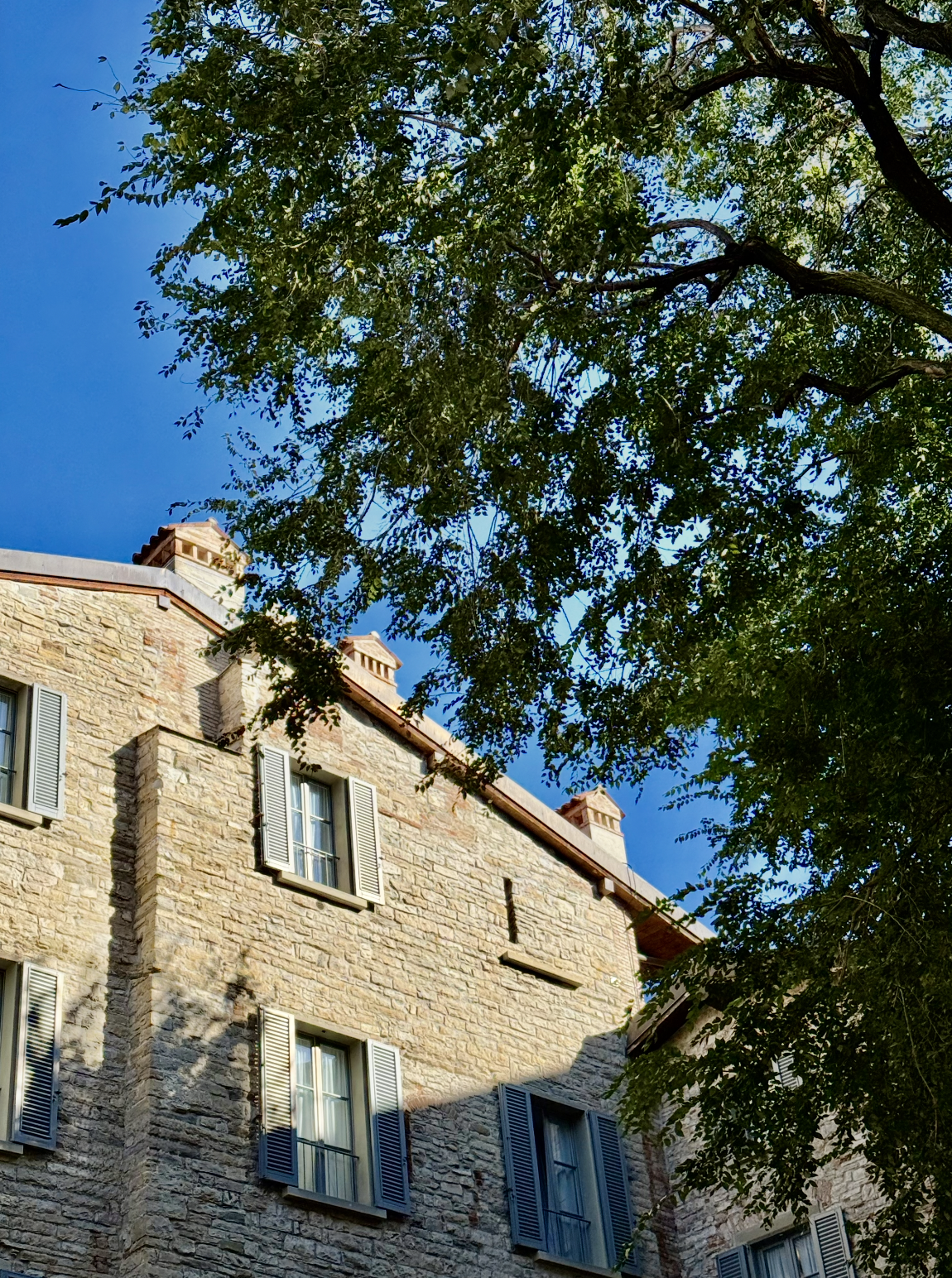
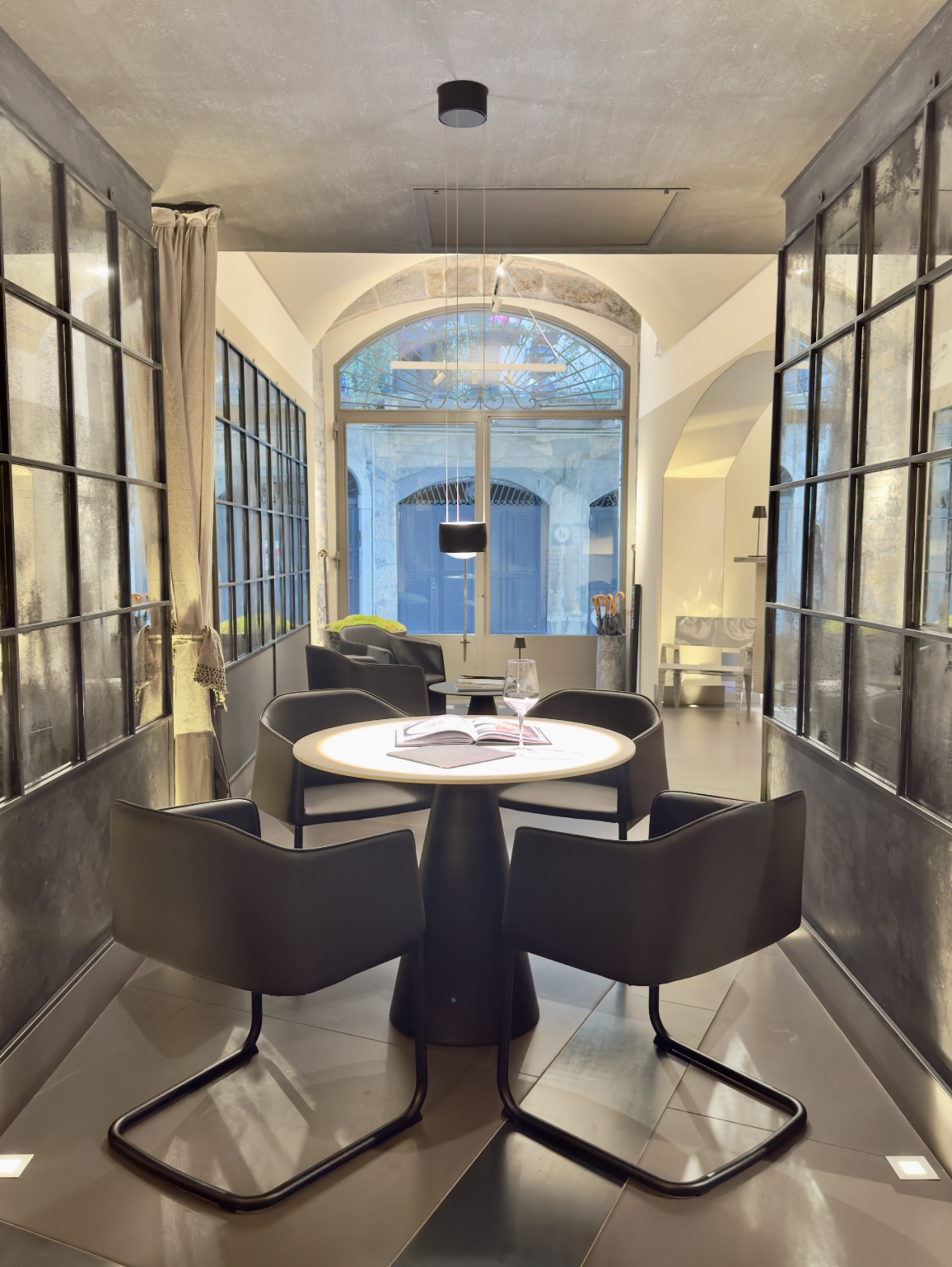
Having at their disposal a 13th-century palazzo that had been abandoned for decades, the architectural and engineering challenges were numerous. Adapting a building from the 1200s to meet modern comfort and safety standards and to obtain the necessary certifications to start operations, proved to be an extremely complex task.
In addition to the structural restoration, which was overseen by the Fine Arts Authority, the entire plumbing and air-conditioning systems were replaced, managed by a sophisticated home automation network, along with the installation of a new elevator and fire safety systems. The entire renovation took place over a period of about three years.
Can you tell us the history of the building? What was its original purpose?
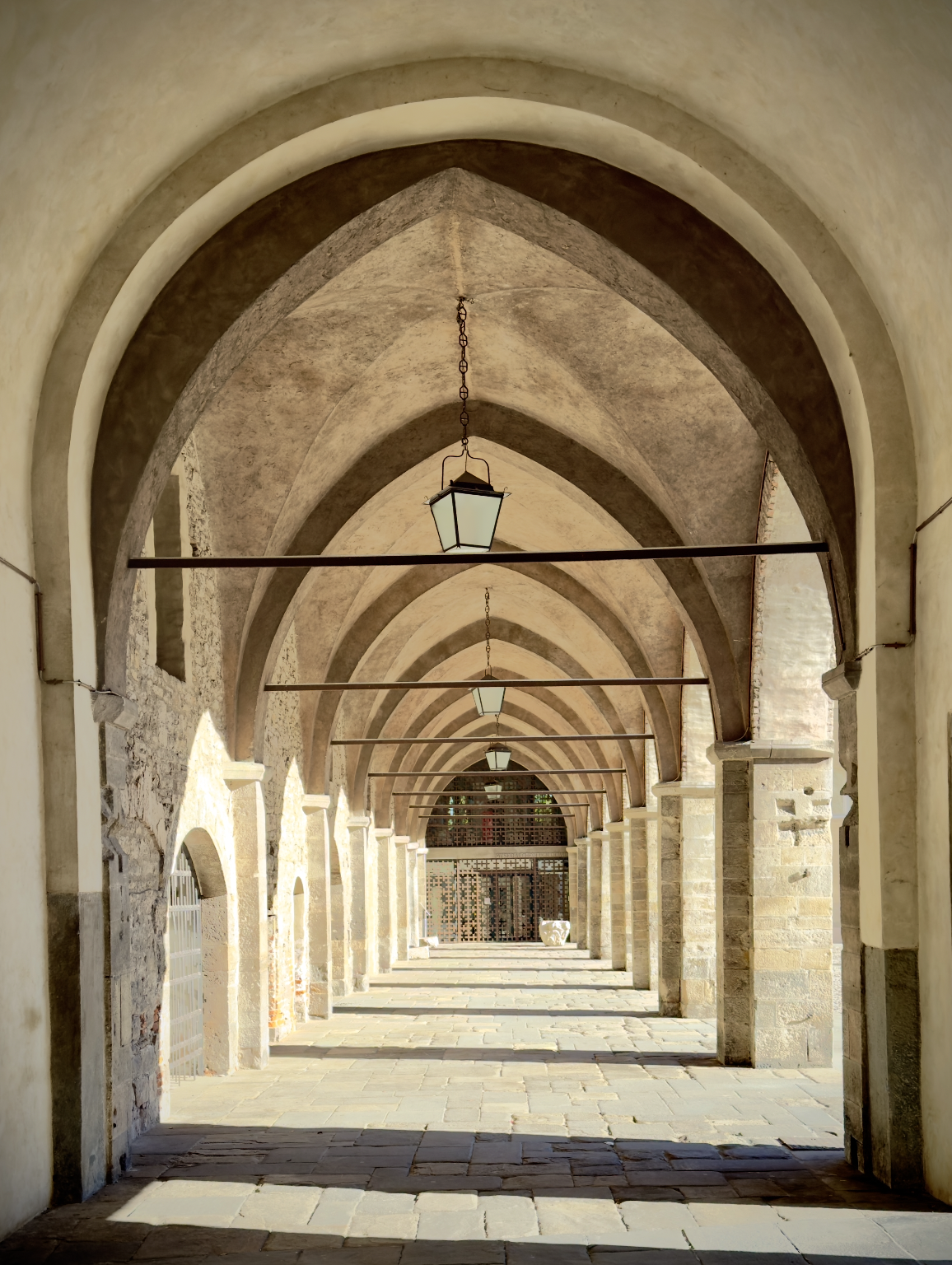
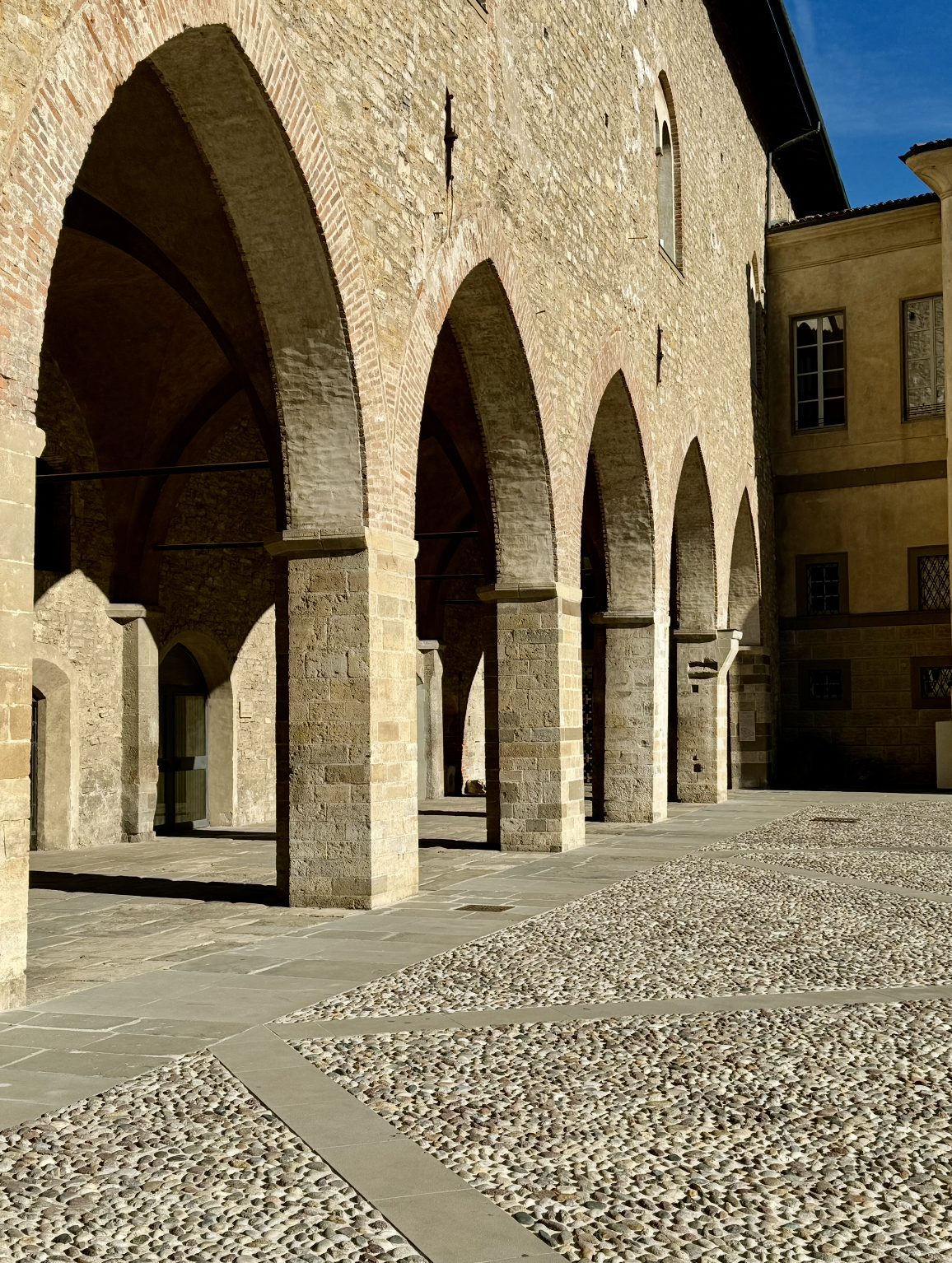
In the heart of Bergamo’s Upper Town, tucked among cobbled streets and historic corners, stands the Gombit Hotel, right next to the Torre del Gombito, the Ancient Washhouse on Via Mario Lupo.
The Torre del Gombito, built in the 12th century and soaring 52 meters high, once kept a vigilant watch over anyone trying to enter Piazza Vecchia, a true medieval “security checkpoint.” The building that now welcomes hotel guests was part of the same complex, originally serving as lodging and a storage hub for the city guards’ supplies. Imagine tired soldiers coming off their shift, putting down their swords, and finally resting in what is now a cozy hotel room… history and hospitality intertwined in one remarkable corner of the city.
Do any specific rooms have a unique story or a historical feature that guests particularly enjoy?
Unfortunately, we have no records of the distinguished guests who may have stayed here in centuries past. As for more recent times, Gombit Hotel has welcomed some truly illustrious visitors, famous actors, writers, Nobel laureates, and even a few rock stars. We can’t reveal any names (our lips are sealed!), but imagine the stories these walls could tell: late-night inspirations, whispered secrets, and maybe even a quiet guitar riff echoing through the hallways. Every visit is a little chapter of history we keep close to our hearts… and with a knowing smile.
Are there any local customs or aspects of the “Bergamasco” way of life that visitors might find surprising or charming?
Bergamo is a meeting of different times that brush against each other without ever colliding.
Below, the modern city pulses with life and voices; above, behind the Venetian walls, the silence of the past still keeps watch.
Climbing through the stone-paved alleys, the noise fades, the air grows lighter, and every step feels like a return.
From above, the gaze embraces the plain and understands that here, the present has not erased memory:
the ancient and the new live together like two breaths of the same heart.
If I were to choose a place to dine in Bergamo’s Upper Town, my first choice would undoubtedly be the restaurant La Tana, just a few steps from our hotel. It offers a remarkable culinary experience, serving traditional local dishes with a creative twist, honoring the region’s heritage while offering delightful surprises for the palate.
For a perfectly crafted drink or to pick up a fine bottle of wine, I would head to Donizetti, an excellent wine bar where locals often gather and share a convivial moment.
And for a truly memorable dessert, I would recommend Pasticceria Cavour, part of the 3-Michelin-star Da Vittorio group, and our trusted supplier of pastries for the Gombit Hotel breakfasts, a sweet touch that never fails to impress.
If a guest had only 24 hours in Bergamo, what itinerary would you recommend to help them capture the essence of the city?
If I had only 24 hours to spend in Bergamo, I would start with Piazza Vecchia, just a few steps from our hotel. This magnificent square has enchanted visitors for centuries, including the renowned architect Le Corbusier, who, in 1949, declared: “You can’t move a single stone; it would be a crime.”
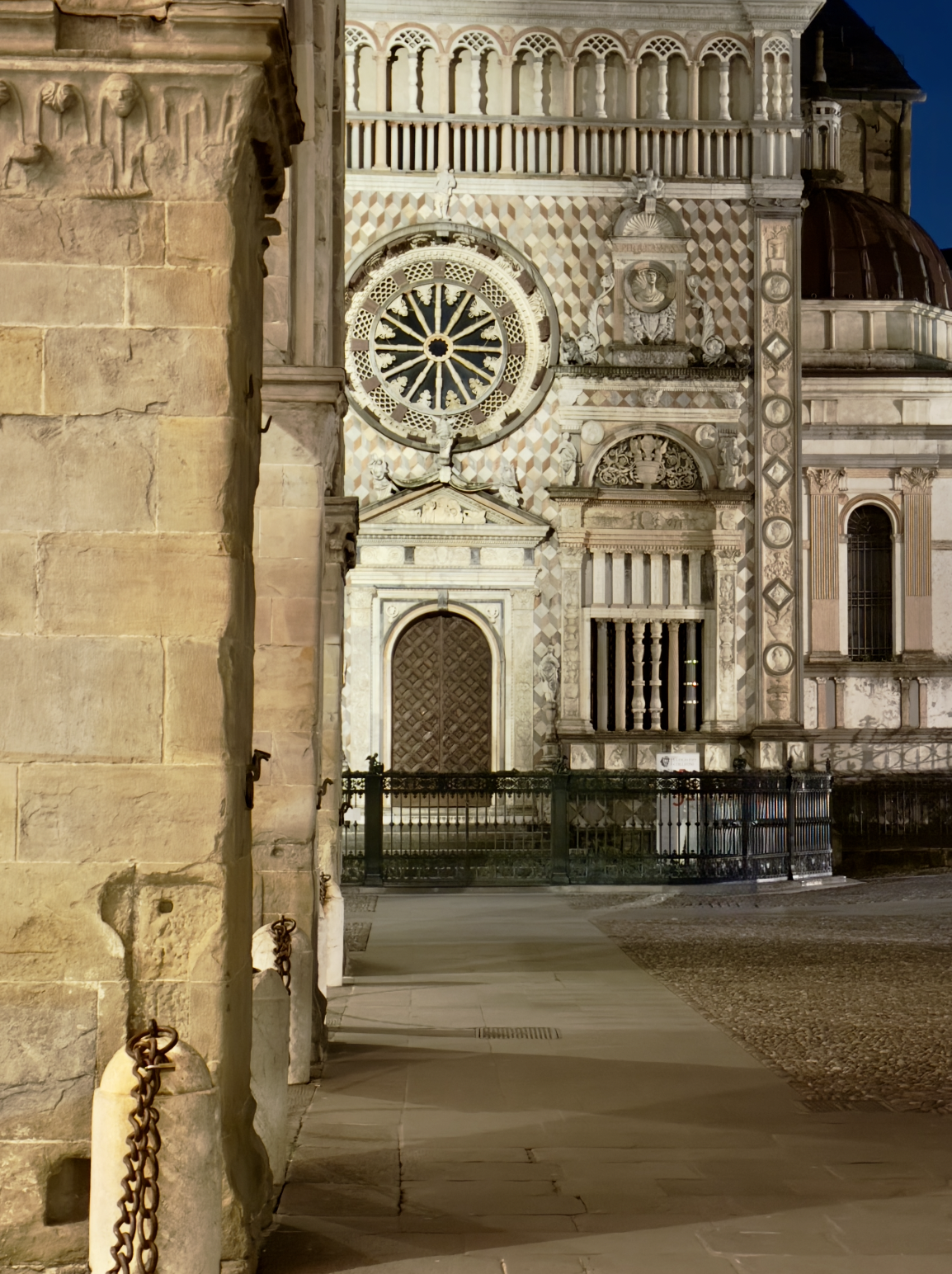
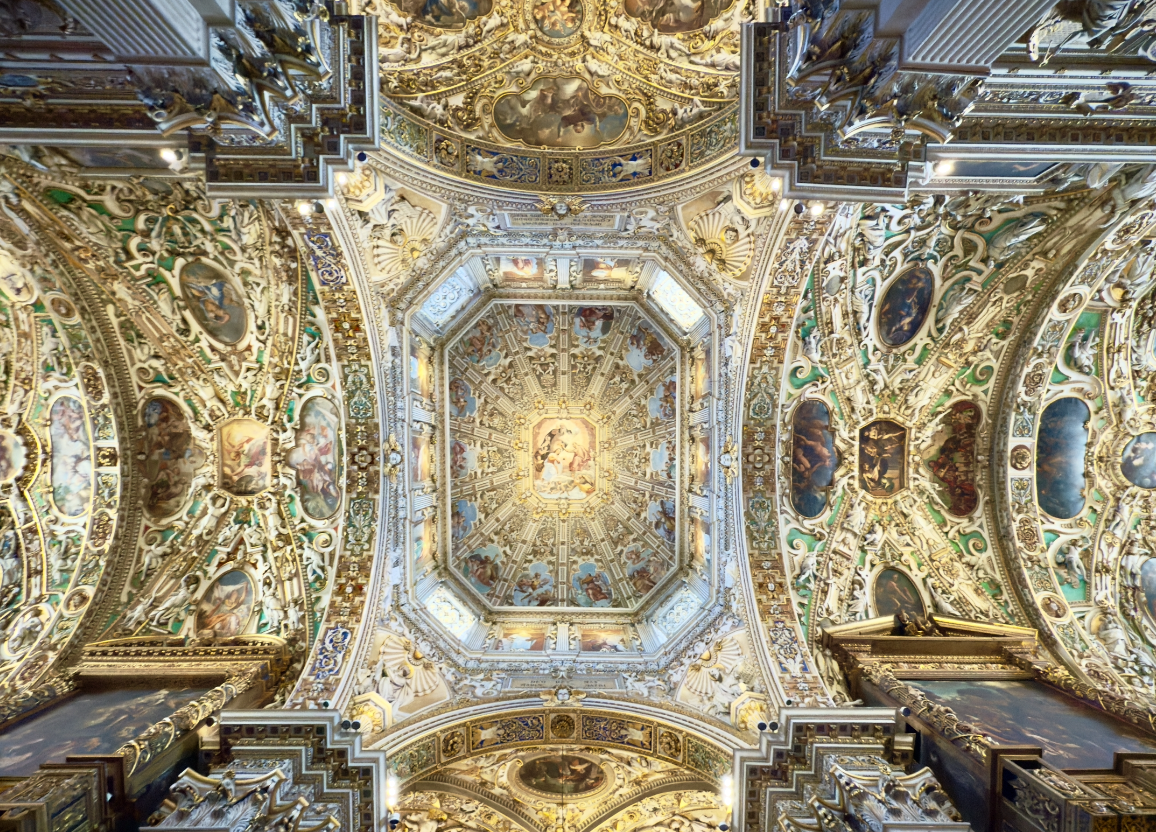
I would then visit the Basilica of Santa Maria Maggiore (1137 AD), the Cathedral of Sant’Alessandro (1459 AD), and the Colleoni Chapel (1470 AD), all located in the charming square just behind Piazza Vecchia. Each of these masterpieces has its own distinct personality, and together they embody the timeless beauty of Bergamo’s medieval soul.
A stroll along the Venetian Walls would be essential, one of the city’s most iconic landmarks, an impressive 16th-century feat of military engineering that encircles the entire Upper Town. Recently added to the UNESCO World Heritage list, the walls offer breathtaking views over the Lower City, especially at sunset.
Finally, I would recommend a visit to the Accademia Carrara, a prestigious art gallery and fine arts academy that stands as a cornerstone of Italy’s artistic heritage. Located just below the Upper Town, it’s often described as a true “museum of Italian collecting” a place where centuries of passion for art and beauty come vividly to life.
to learn more https://www.gombithotel.com/en/