
B O R G O S A N F E L I C E
A C H I L L E DI C A R L O
Interview: Hudson Graham
Photographed by John Russo
HG: Borgo San Felice is much more than a hotel—it’s an entire medieval village. Can you share the history of the Borgo and explain how this remarkable settlement evolved over the centuries?
AD: Borgo San Felice is, first and foremost, a place of history, memory and cultural layering. Its origins can be traced back to Etruscan times, as archaeological findings discovered across the estate attest, yet the village as we know it today took shape during the Middle Ages. Its first written mention dates to 714 AD, when San Felice in Avane—as it was originally known—stood at the centre of a long-standing dispute between the dioceses of Arezzo and Siena over the control of local parishes and surrounding lands.
Over the centuries, the Borgo continued to evolve while preserving a strong rural and spiritual identity. A key chapter began in the 18th century, when the noble Grisaldi Del Taja family chose San Felice as their residence; in the 19th century, they introduced architectural and urban changes that still define the village today. It was Giulio Grisaldi Del Taja, in particular, who recognised the agricultural and viticultural potential of the estate and later became one of the founding figures of the Chianti Classico Consortium in 1924.
The modern turning point came in 1978, when the estate was acquired by Allianz, which launched an important restoration and preservation project for the village, alongside a far-reaching programme to enhance its agricultural and winemaking vocation. Since then, the Borgo and the estate have continued to grow as one unified reality: a place where the history of Chianti is interwoven with hospitality, wine, landscape and a distinctly contemporary vision of luxury.
HG: The property sits in the heart of Tuscany’s Chianti Classico region, surrounded by vineyards, olive groves, and rolling hills. What makes this particular corner of Tuscany so special, and how does the landscape shape the guest experience?
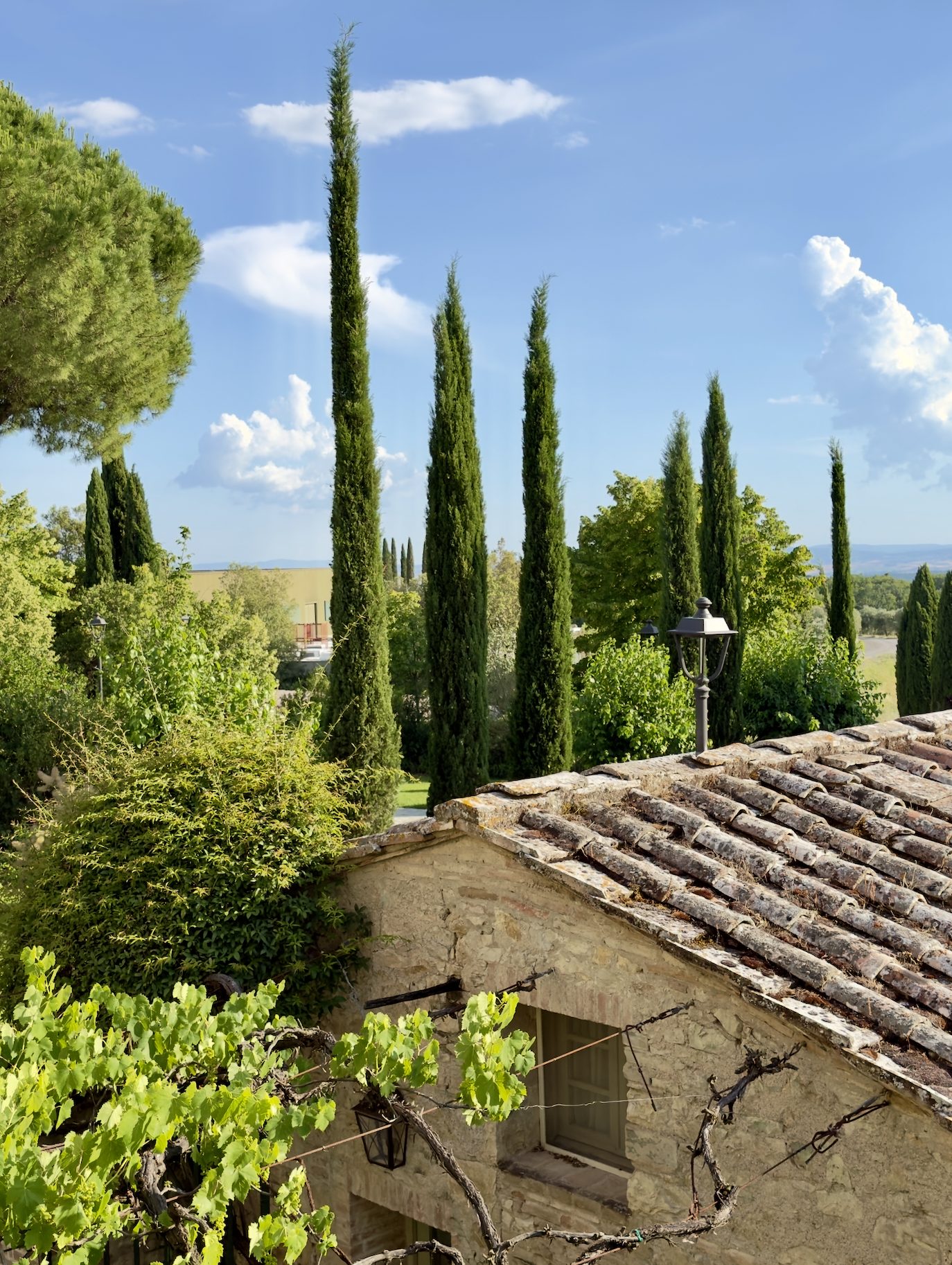
AD: What makes this part of Tuscany so extraordinary is its profound authenticity. Borgo San Felice lies in the heart of the Sienese Chianti Classico countryside, between Castelnuovo Berardenga and Siena, in a landscape of gentle hills, vineyards, olive groves, woodland, cypress-lined roads and views that feel almost suspended in time. It is a part of Tuscany that is elegant yet never contrived, rich yet never ostentatious—a place where natural beauty, agricultural culture and historic heritage exist in rare harmony.
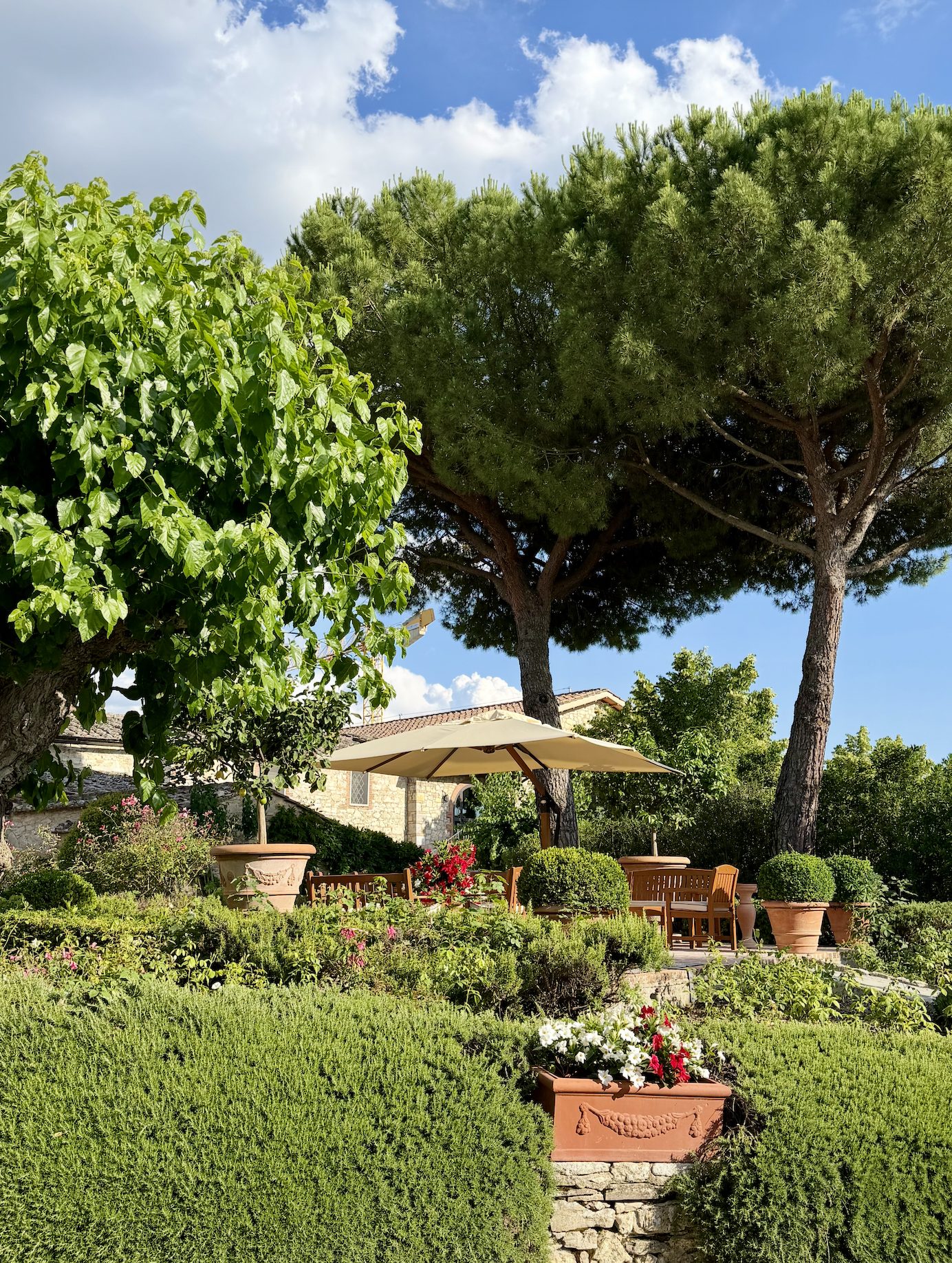
The landscape is not simply the backdrop to the stay; it is an essential part of the experience itself. At Borgo San Felice, the guest journey is shaped by a constant dialogue with the land. Rooms and suites open onto vineyards or the most evocative corners of the village; the estate’s trails invite walking, hiking, e-bike rides and moments of quiet contemplation; the restaurants, winery and even the spa are all conceived in close relationship with the surrounding environment. The result is an immersive stay in which the rhythm of the landscape—slow, harmonious and deeply restorative—becomes the rhythm of hospitality itself.
HG: Borgo San Felice was carefully restored and transformed into a five-star hotel in 1991 while preserving its authentic character. How did the team balance luxury hospitality with the responsibility of protecting such an important historic site?
AD: The vision behind Borgo San Felice has always been rooted in one clear belief: in a place like this, true luxury can only exist if it remains faithful to the soul of the site. The restoration of the Borgo was therefore approached first and foremost as a work of preservation, with great care taken to protect its original architectural features, the urban layout of the village and its natural relationship with the surrounding landscape.
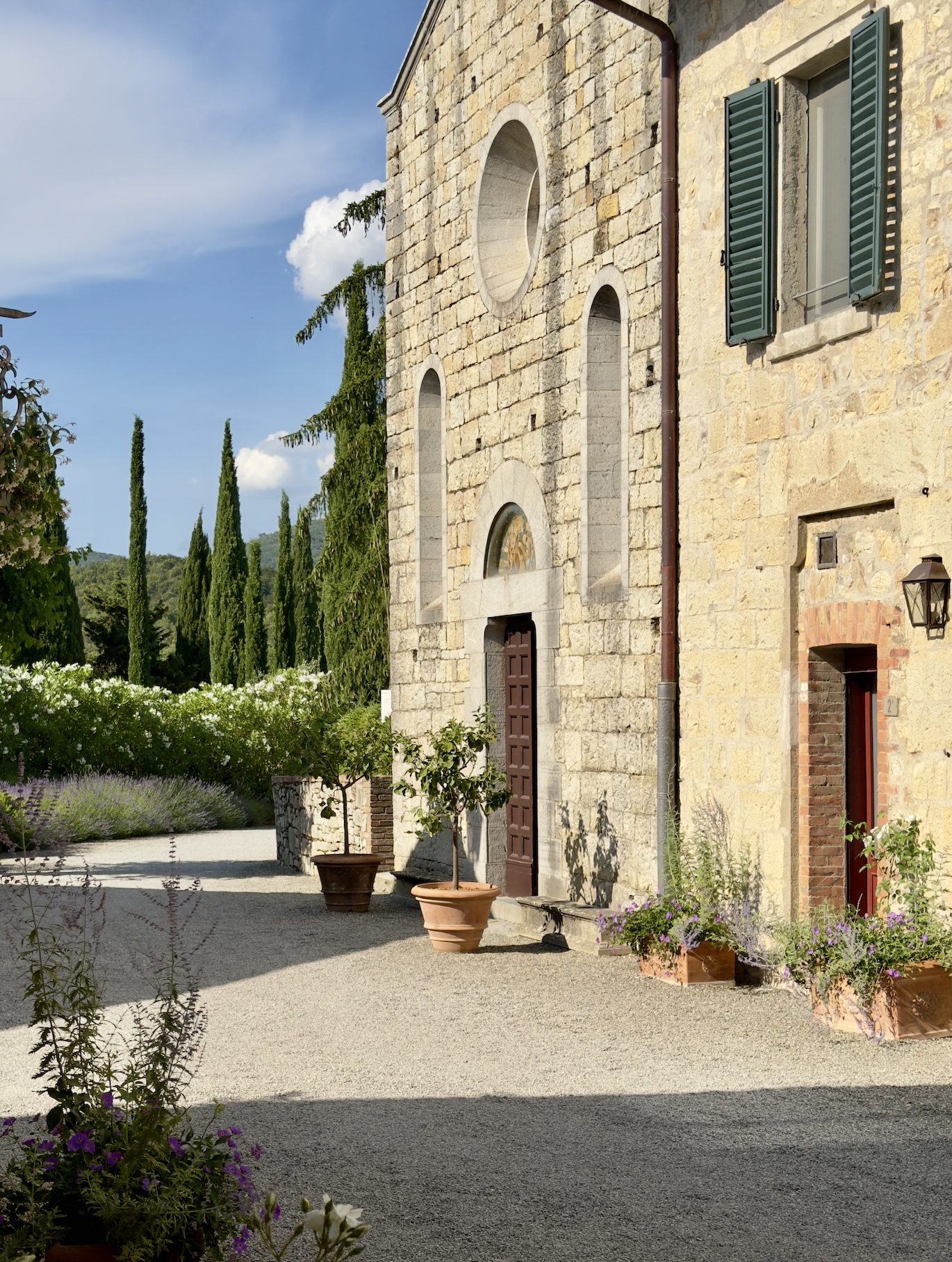
Five-star hospitality was introduced not by imposing something new upon the village, but by entering into dialogue with its history. The former village bakery became the relais reception; the old olive mill was transformed into what is now the Botanic Spa; historic homes were reimagined as rooms and suites while retaining materials, proportions and details deeply rooted in Tuscan tradition. Stone, wood, travertine, natural fabrics, terracotta and exposed beams all coexist with contemporary comfort, creating what we like to describe as the “San Felice Style”: timeless, understated elegance with a strong sense of place.
That same philosophy extends to the estate as a whole: a deep respect for the landscape, a commitment to the agricultural and cultural heritage of the property, a meaningful relationship with the local community, and a strong sustainability ethos. It is precisely this balance between conservation and innovation that makes Borgo San Felice such a distinctive example of high-end hospitality within an authentic historic setting.
HG: For travelers who have never visited before, how would you describe the feeling of arriving at Borgo San Felice for the first time, and what do you hope guests experience during their stay?
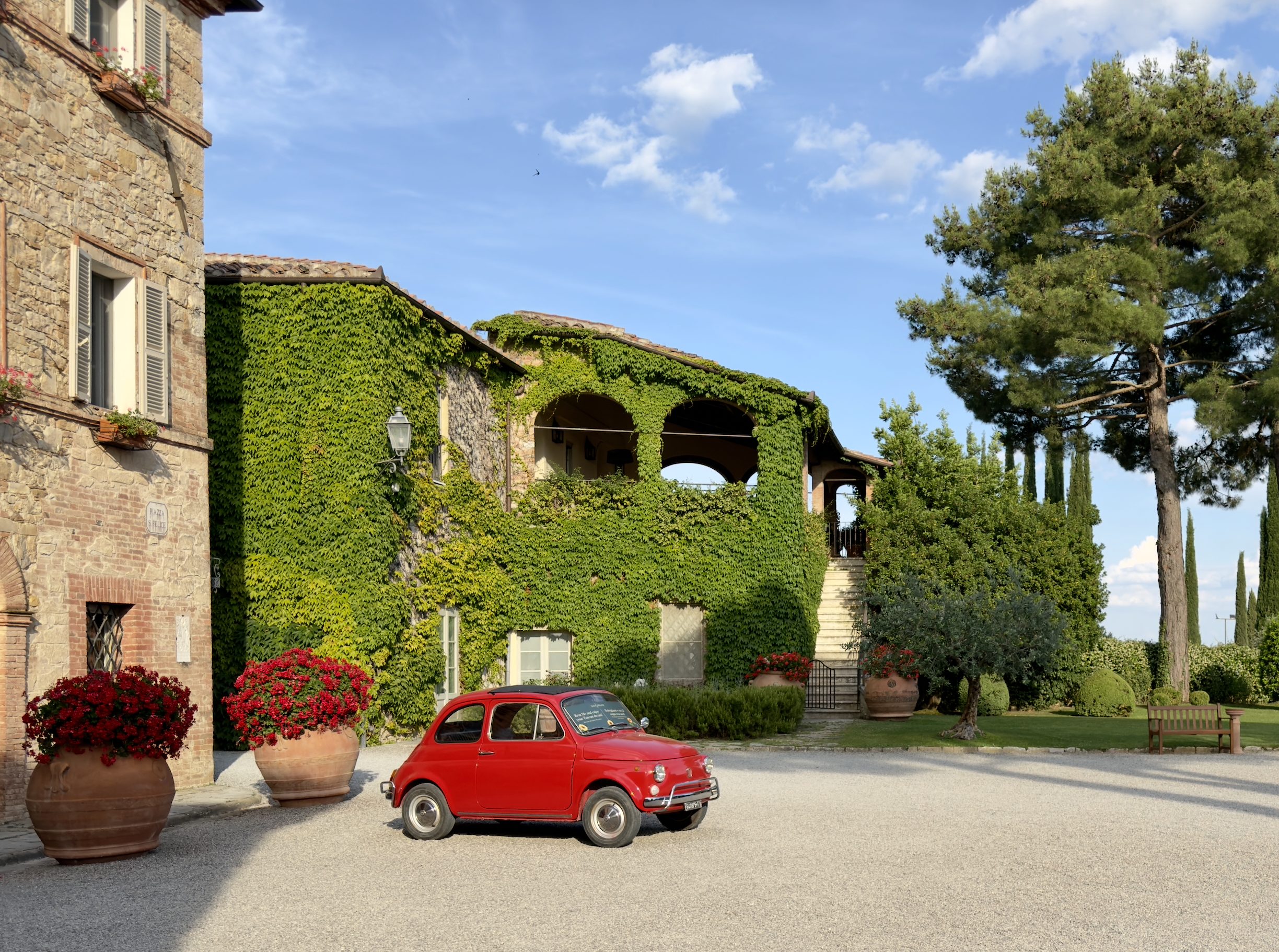
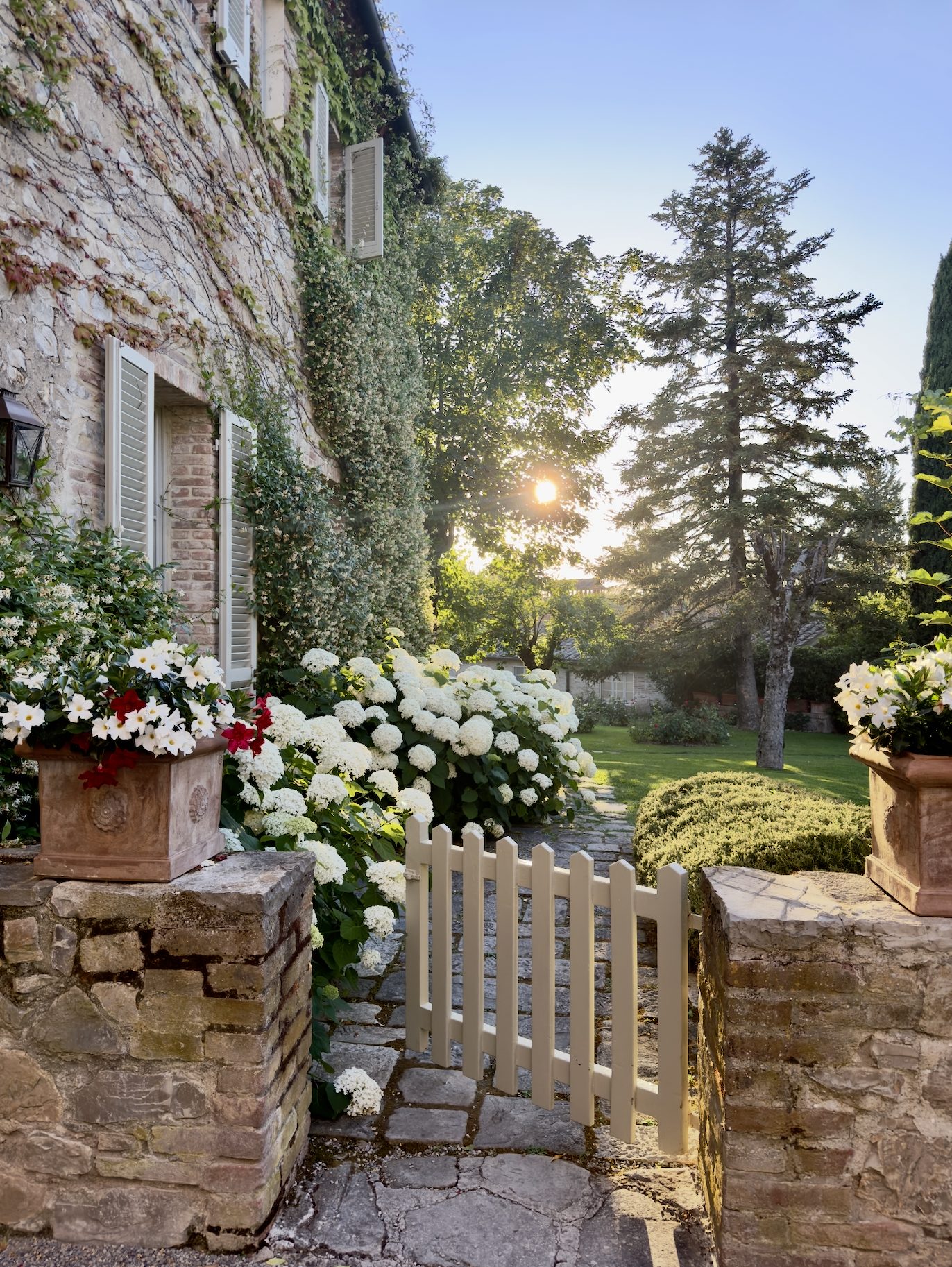
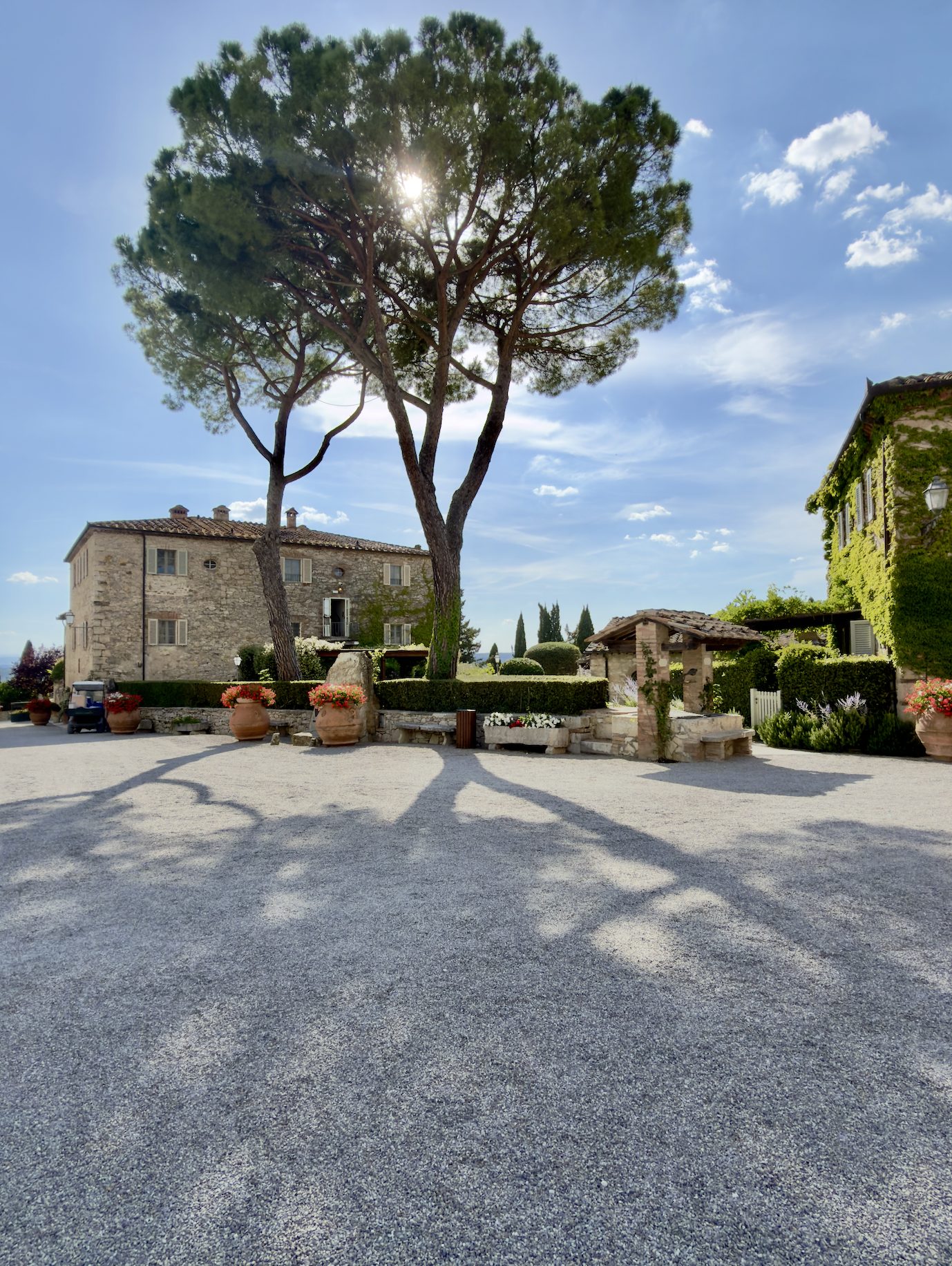
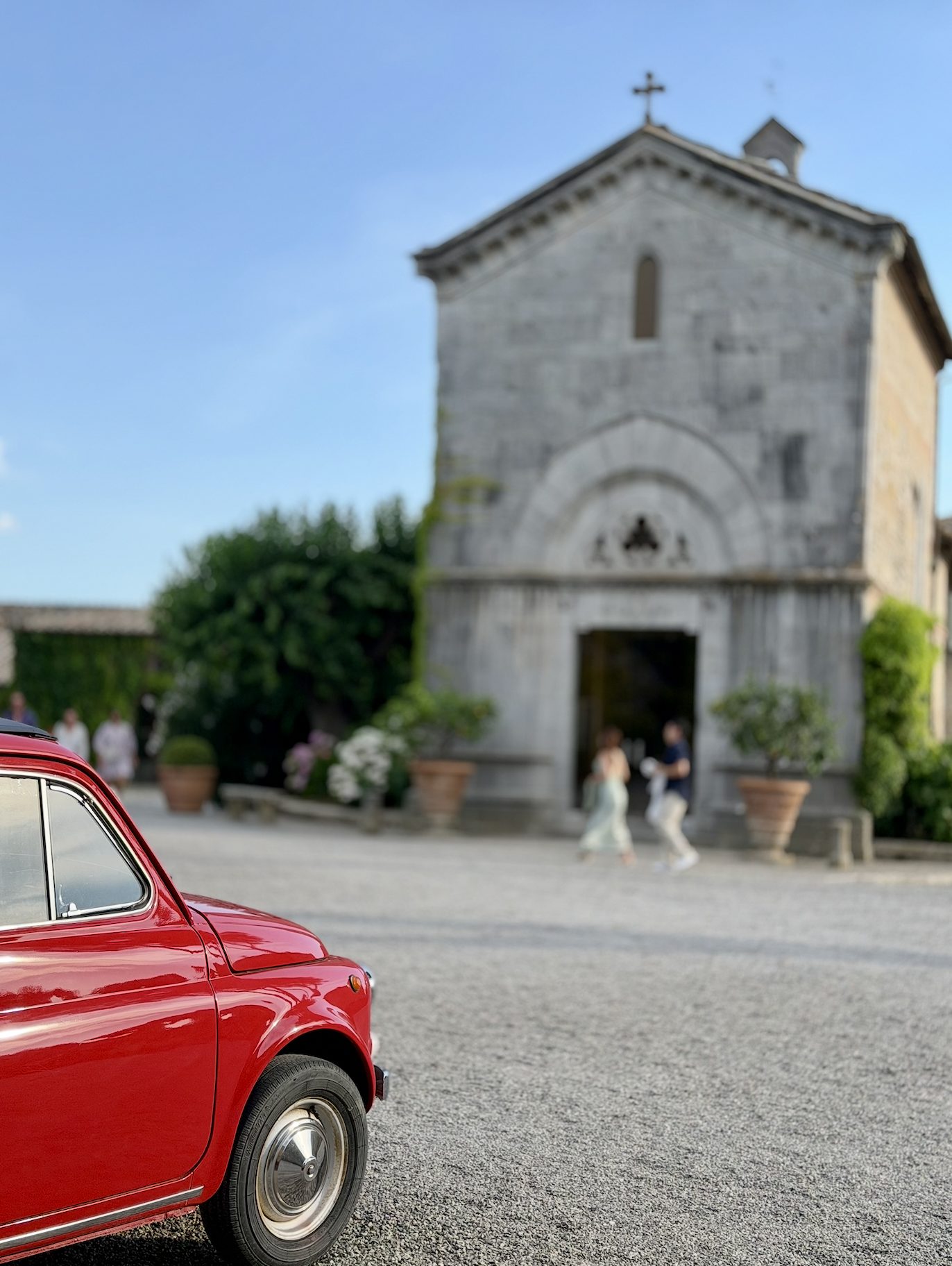
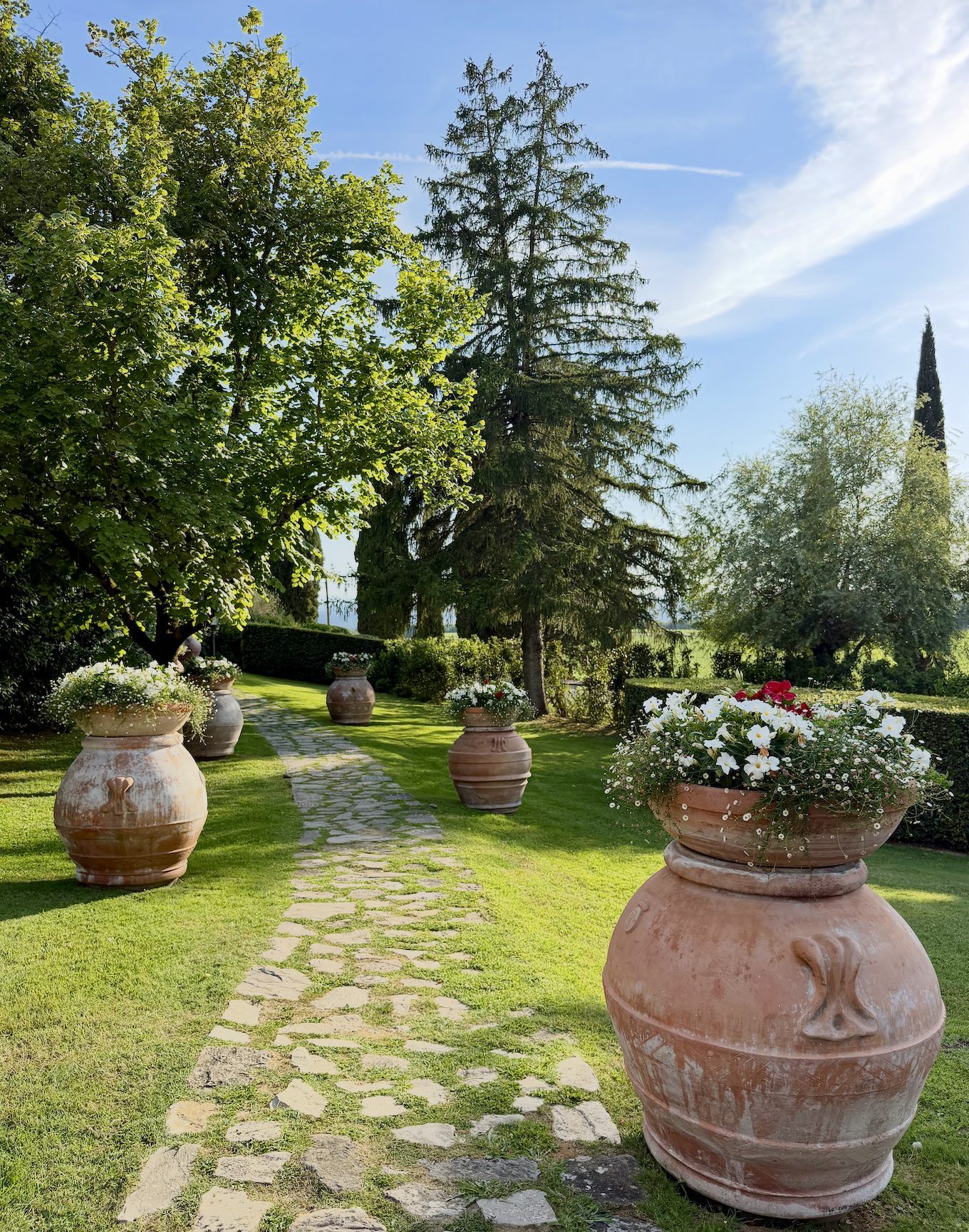
AD: Arriving at Borgo San Felice is, above all, an emotional experience. There is an immediate sense of stepping into a place outside of time: an authentic medieval hamlet nestled in the Chianti hills, where every detail—the piazza, the winding lanes, the flower-filled gardens, the stone facades, the light falling across the vineyards—tells a story. Guests are not simply checking into a hotel; they are entering a small Tuscan world shaped by beauty, silence, memory and a genuine sense of welcome.
What we hope is that every guest experiences San Felice in a deeply personal way: as a place of peace and belonging, but also of discovery. We want them to slow down, to be inspired by the landscape, the food, the wine, the history of the Borgo and the quality of time spent here. More than a stay, we hope to offer an immersion into the most authentic spirit of Chianti—where wellbeing comes from the relationship between place, nature and hospitality.
HG: The property has become one of Tuscany’s most celebrated luxury retreats. What sets Borgo San Felice apart from other high-end hotels in the region?
AD: I believe what truly sets Borgo San Felice apart is its inherently unique nature: it is not a resort built around an idea of Tuscany, but a real historic Tuscan village that continues to live and breathe through hospitality. Here, luxury is not created through artifice, but through authenticity—through the site’s centuries-old history, the beauty of the landscape, and the rare privilege of inhabiting, even briefly, a genuine fragment of Chianti Classico.
What further distinguishes the property is the completeness of the experience. Wine is woven into the very identity of the estate; the culinary offering is both sophisticated and multi-layered; the albergo diffuso concept allows guests to experience the Borgo in an intimate and residential way; the spa is housed in the former olive mill; there are private villas, tailor-made experiences, and a sustainability ethos that runs through every aspect of the estate. It is this combination of heritage, wine, landscape, fine dining and deeply personal hospitality that makes Borgo San Felice unlike any other luxury destination in Tuscany.
HG: Dining is a major part of the guest experience. Can you tell us about the philosophy behind the Michelin-starred restaurant, Poggio Rosso, and how it showcases the flavors of Tuscany?
AD: Poggio Rosso represents the most refined and contemporary expression of Borgo San Felice’s culinary identity. Awarded one Michelin star since 2020 and a Michelin Green Star since 2022, the restaurant is guided by a philosophy that brings together territory, technique and personal sensibility in equal measure. Today, under the leadership of Head Chef Stelios Sakalis and the supervision of Enrico Bartolini, Poggio Rosso offers a cuisine that tells the story of Tuscany with precision, elegance and a quietly cosmopolitan perspective.
Chef Sakalis’ cooking begins with profound respect for local ingredients and seasonality, yet it is enriched by a Mediterranean sensibility and the international perspective he has developed throughout his career. Across Poggio Rosso’s three tasting menus—Chiantishire, rooted in the local territory; My Origin, a more personal expression of the chef’s identity; and San Felicità, a plant-based journey centred around the produce of Orto and Aia Felice—Tuscan tradition is woven together with memory, research and a remarkable sense of balance. It is a cuisine that never seeks effect for its own sake, but rather harmony: one that elevates flavour with naturalness, lightness and depth, offering a gastronomic interpretation of Tuscany that feels both intellectually compelling and emotionally resonant.
HG: Beyond fine dining, guests also have the opportunity to enjoy a more relaxed culinary experience at Osteria del Grigio. How do the two restaurants complement each other and appeal to different types of travelers?
AD: Poggio Rosso and Osteria Il Grigio are two complementary expressions of the same culinary philosophy. The former is the space for tasting, refinement and a more elevated interpretation of the territory; the latter embodies the convivial, generous and reassuring spirit of Tuscan hospitality. Together, they allow guests to experience the Borgo through different registers, while remaining entirely coherent with one another.
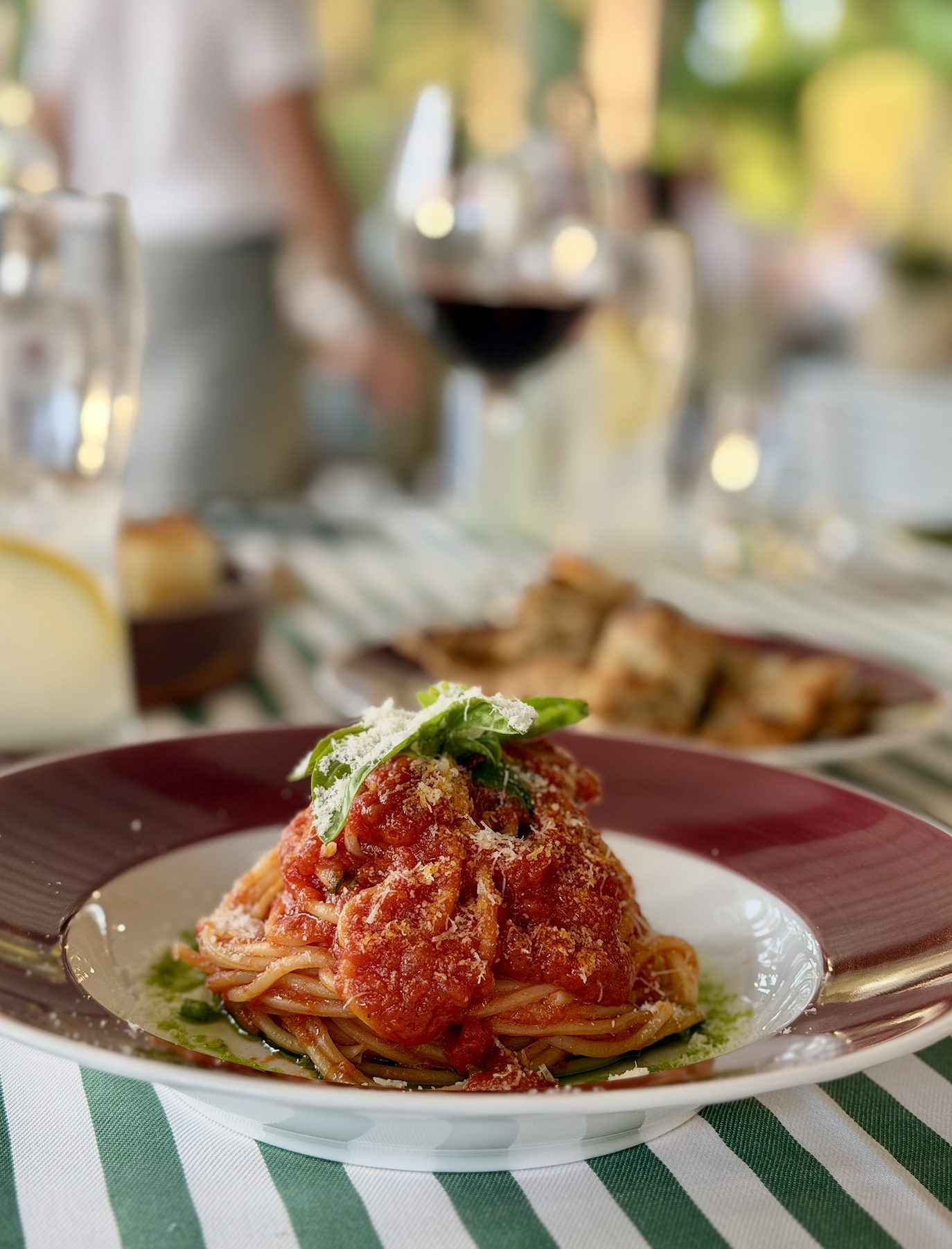
Osteria Il Grigio has a warm, informal atmosphere, with vine-shaded terraces and an open kitchen that encourages a direct connection between guests and the culinary team. Its cuisine is more relaxed in tone, yet just as carefully considered: Tuscan tradition sits at the heart of the menu, alongside beloved Italian classics, all shaped by a genuine attention to seasonality, quality and ingredients sourced in part from Orto Felice and Aia Felice. With its wood-fired pizza oven, barbecue grill and cooking school, it is a versatile space that appeals equally to guests seeking an easy lunch among the vineyards and to those looking for a more family-style, convivial dining experience. Together, Poggio Rosso and Osteria Il Grigio express the full breadth of Borgo San Felice’s culinary world: one more elevated and gastronomic, the other more relaxed and deeply rooted in the pleasures of everyday Tuscan life.
HG: Wine is deeply woven into the identity of Borgo San Felice. Can you tell us about the estate’s winery, its history within the Chianti Classico region, and how wine experiences are integrated into a guest’s stay?
AD: Wine is integral to the identity of Borgo San Felice—not as an added amenity, but as one of the estate’s founding elements. San Felice has long been linked to the culture of Chianti Classico and, from the late 1970s onward, embarked on a far-reaching path of investment, research and innovation that established it as an important name in Tuscan and Italian winemaking. Today, the estate extends across three of Tuscany’s most prestigious appellations—Chianti Classico, Montalcino and Bolgheri—with 188 hectares of vineyards divided between San Felice, Campogiovanni and Bell’Aja.
For guests, wine is a thread that runs through the entire stay. The Enoteca offers tastings of wines from all three estates in a beautifully atmospheric setting of stone walls and vaulted ceilings; experiences range from cellar tours and guided tastings to more immersive journeys such as Tuscan Excellence, The Icons of San Felice, From the Land to the Glass, vertical tastings of Vigorello and barrel tastings with the winemaker. Wine also plays a central role at the table, where pairings are designed to highlight both the estate’s most iconic labels and rare older vintages reserved for Poggio Rosso. In that sense, wine does not simply accompany the guest experience at Borgo San Felice—it helps define it.
HG: The San Felice estate has played an important role in Italian wine history, including the creation of the pioneering Super Tuscan wine Vigorello. How does that legacy continue to influence the winery today?
AD: The story of Vigorello is central to understanding the DNA of San Felice. First vinified in 1968, originally as a pure Sangiovese, Vigorello is widely regarded as a precursor to the Super Tuscan movement and remains a symbol of the estate’s long-standing culture of experimentation. Innovation at San Felice has never meant breaking with tradition; rather, it has meant allowing tradition to evolve through rigour, curiosity and vision.
That legacy continues in very tangible ways. San Felice has invested significantly in vineyard renewal and in the enhancement of Sangiovese, while also pursuing important research in collaboration with the Universities of Florence and Siena to recover forgotten indigenous Tuscan grape varieties. This work led to the creation of the Vitiarium, an experimental vineyard dedicated to preserving the genetic heritage of Tuscan viticulture, from which several highly promising varieties have emerged, including Pugnitello. Today, the legacy of Vigorello lives on in a winemaking culture that combines respect for terroir with agronomic precision, oenological research and a constant desire to express the individuality of each estate at the highest possible level.
HG: Looking ahead, what is your vision for Borgo San Felice? How do you continue to innovate and attract a new generation of luxury travelers while remaining true to the heritage and traditions that make the Borgo so unique?
AD: Our vision for Borgo San Felice is to continue evolving a destination that already has such a strong sense of identity, while never losing sight of what makes it so singular. We are not interested in pursuing contemporary luxury in an abstract sense; rather, we want to interpret it through the elements that make San Felice truly irreplaceable: its medieval village, the Chianti landscape, the culture of wine, the quality of hospitality, and a deeply authentic relationship with the land. For us, innovation means keeping that heritage alive, relevant and compelling for today’s traveller.
In that sense, sustainability plays a decisive role, as does the continued evolution of our culinary offering, our wellbeing experiences, our wine programme and our tailor-made activities. We believe the new generation of luxury travellers is increasingly drawn not by excess, but by depth of experience—by the opportunity to inhabit an authentic place, to dine in a Michelin-starred restaurant that speaks to its surroundings, to discover great wines where they are born, and to feel part of a destination that honours its past while looking ahead with intelligence and sensitivity. To us, that is the most contemporary expression of luxury.
to learn more log onto https://www.borgosanfelice.com/