
K E N W A L L E R
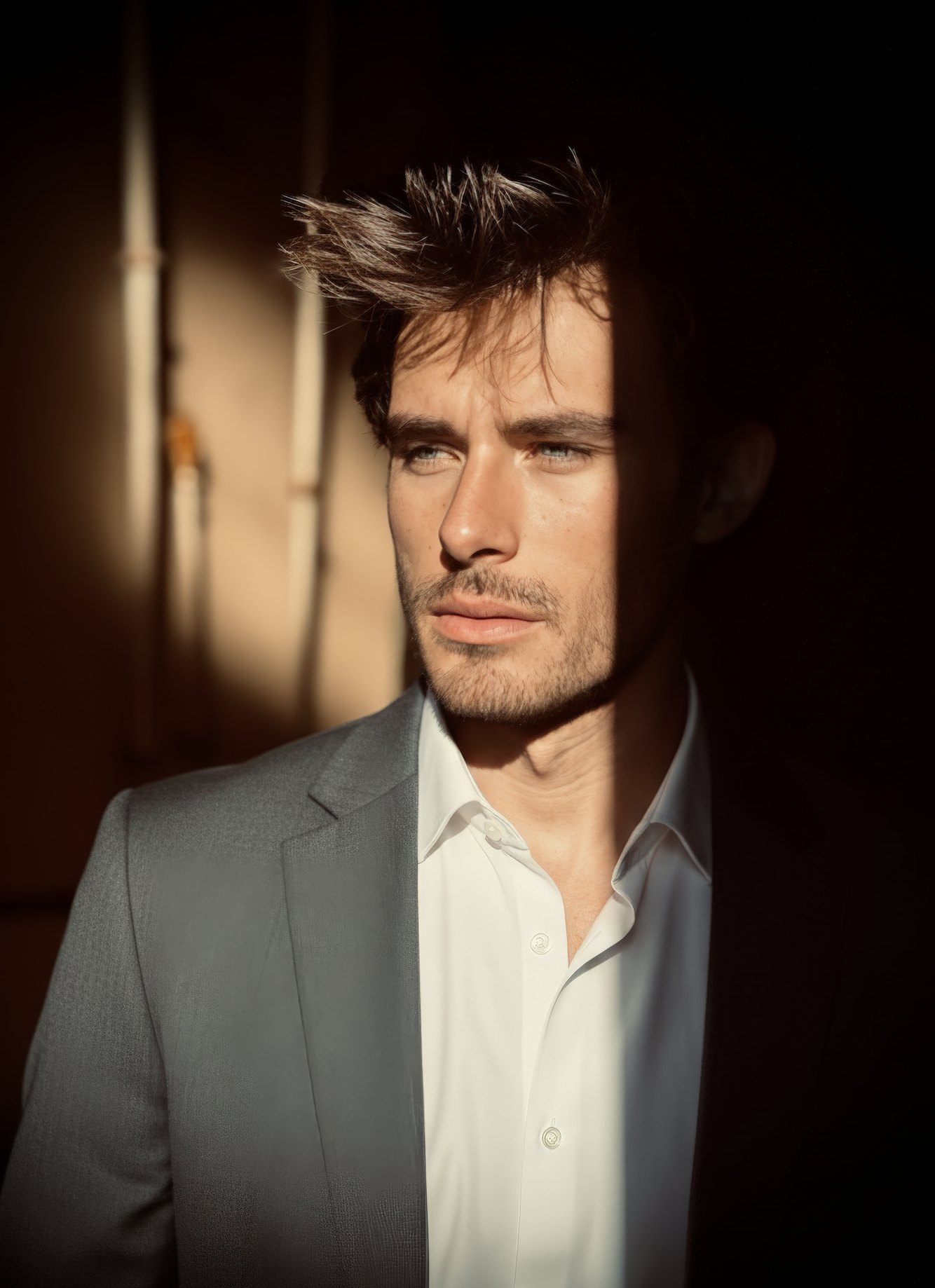
Photographed by John Russo
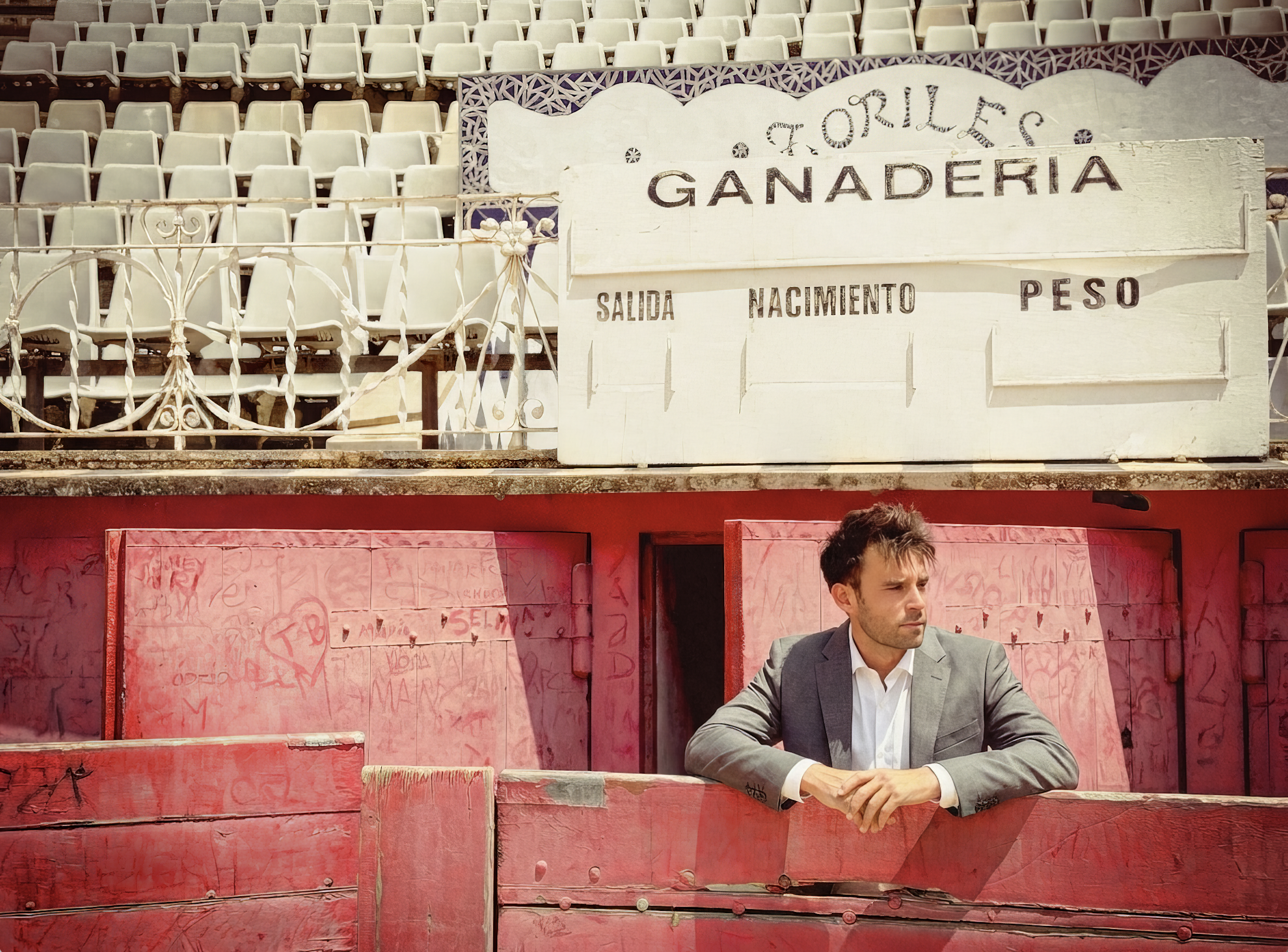
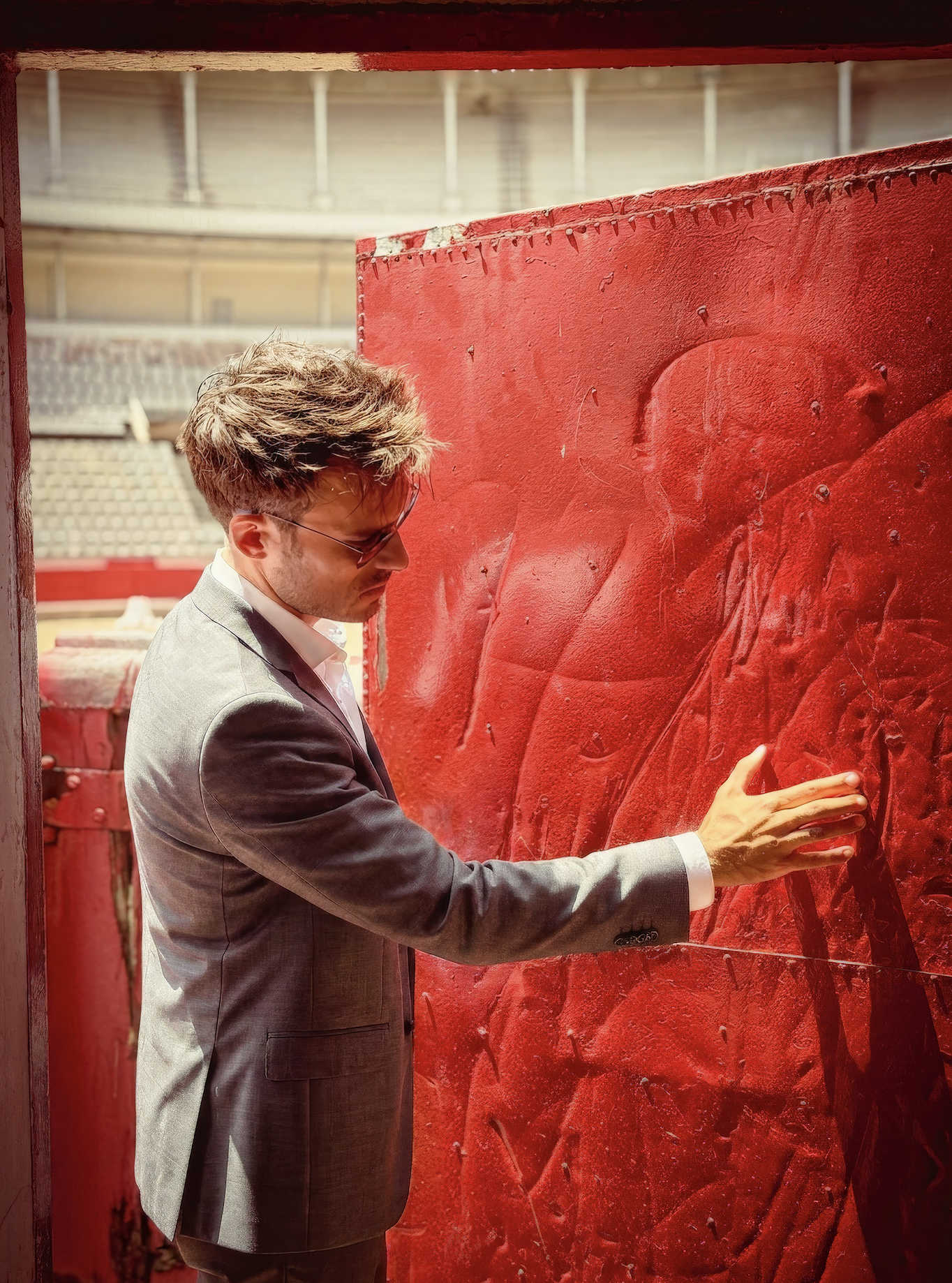
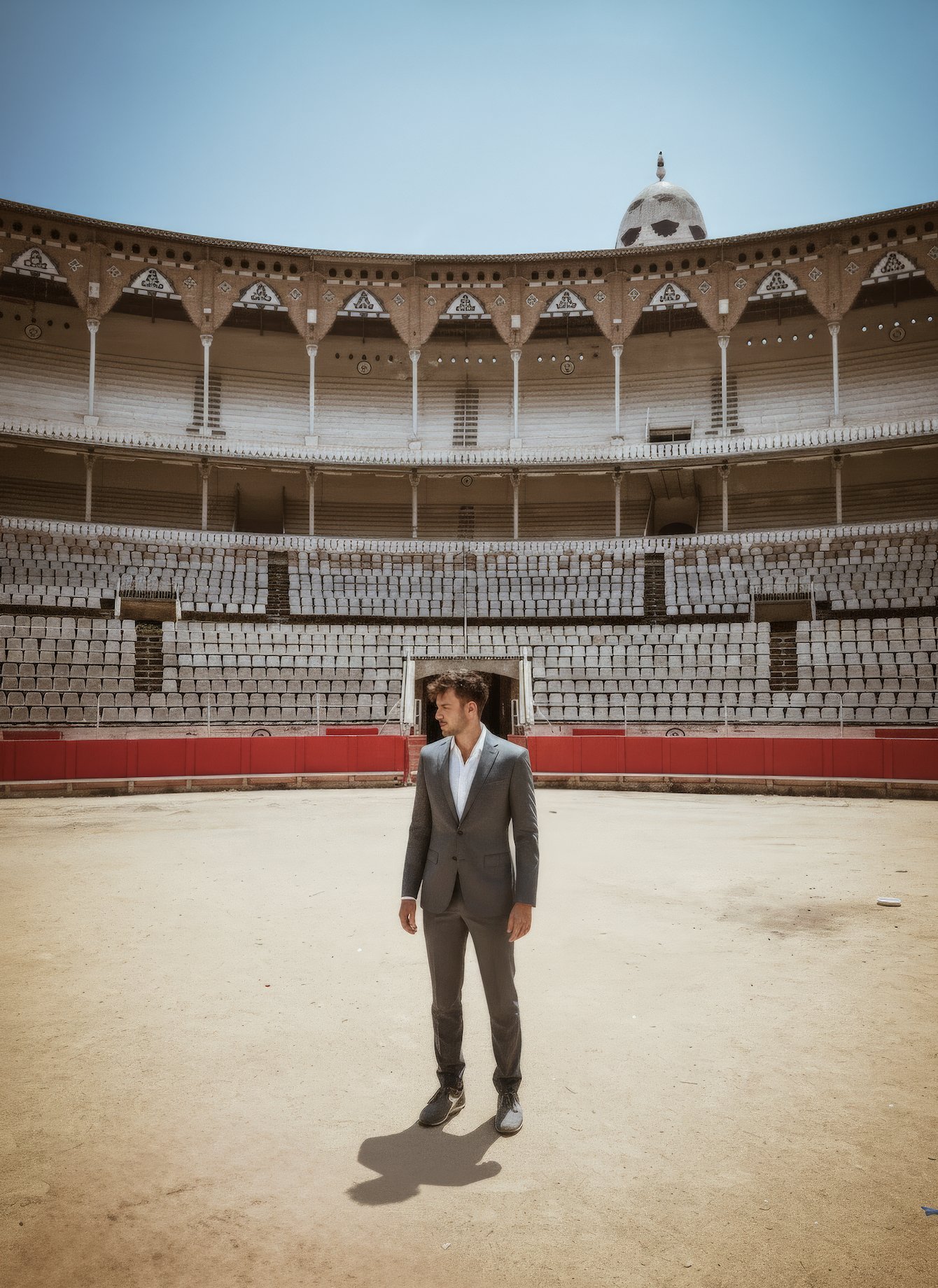
Location: The Monumental Bullring of Barcelona
HG: BRAVO captures a world built on ritual, beauty, and danger. For readers who may not know this world, what drew you to it?
KW: BRAVO didn’t arrive as an idea; it arrived as a responsibility. I was born and raised in Puerto Vallarta, and my family in Mexico City has been connected to the bullring for generations. That doesn’t give me a side, it gives me context. Hemingway understood the emotional truth beneath danger and ritual, and that sensibility has always stayed with me. I’m not here to defend or condemn. I’m here to understand a world that has been flattened into noise.
HG: How does your dual‑cultural identity shape the way you approach a tradition as complex as the bullfight?
KW: Living between cultures teaches you to see nuance where others see conflict. Botero captured that nuance, the weight, the humanity, the contradictions. That perspective guides BRAVO. I’m not approaching the bullfighter or the bull with judgment. I’m approaching them with curiosity, respect, and an understanding that identity is shaped by history, not headlines.
HG: What responsibility do you feel when portraying a tradition that carries so much cultural weight and controversy?
KW: A profound one. This is a world, the plaza, the ritual, the lineage, that has been politicized, romanticized, and weaponized. My job isn’t to take sides. It’s to reveal the emotional truth buried under decades of noise. I’ve spent years studying its history, its literature, its codes. You can’t document something this charged without doing the work.
HG: BRAVO explores the tension between elegance and danger. How do you translate that contrast visually for viewers who may be unfamiliar with the bullring?
KW: That contrast is the film’s visual grammar. Elegance lives in ritual; danger lives in silence. Botero showed us that presence carries emotional weight. I’m applying that philosophy cinematically, not to exaggerate but to reveal. The camera doesn’t judge the bullfighter or the bull; it observes. And in that observation, truth emerges.
KW: You’ve worked with icons like Nicholas Cage, Ben Affleck, and Benicio Del Toro. How have those collaborations shaped your sensitivity to human stories?
KW: Working with artists of that caliber teaches you to recognize emotional truth instantly. Nicolas Cage’s precision, Ben Affleck’s vulnerability, and Benicio del Toro’s fearlessness sharpen your instincts. That sensitivity is essential in BRAVO. I’m not chasing spectacle. I’m chasing authenticity.
HG: BRAVO feels like the beginning of a larger cinematic universe. For readers new to this world, what might a narrative film allow you to explore — and would you ever step in front of the camera yourself?
KW: BRAVO is the foundation of a much larger story. The documentary is the observation, the feature film will be the interpretation. Some worlds deserve both. I grew up around cameras, and performance has always been familiar terrain. But I don’t approach it from ego, I approach it from instinct. There are actors whose work has shaped my understanding of masculinity, ritual, and internal conflict, artists like Javier Bardem and Benicio del Toro, who carry entire worlds with quiet gravity. Collaborating with artists at that level would be a privilege, but the story dictates everything. BRAVO is the beginning, not the conclusion.
To learn more about Ken Waller, follow him @Kenwaller