
C H R I S O’ D O N N E L L
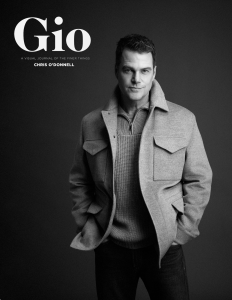
Interview & Photography { John Russo
Produced { Photohouse Productions
Grooming { Natalia Bruschi
Styling { Linda Medvene
Video{ Ken Waller Media
Location { Santa Monica California
JR: I am a huge fan of all your films, Circle of Friends, School Ties and Vertical Limit.
CO: Well, you are very nice, I appreciate that. That’s sweet. Because I have worked with you before, I know that you are going to take good photos. I don’t care if I act like an idiot for the shoot because you are going to use the best ones!
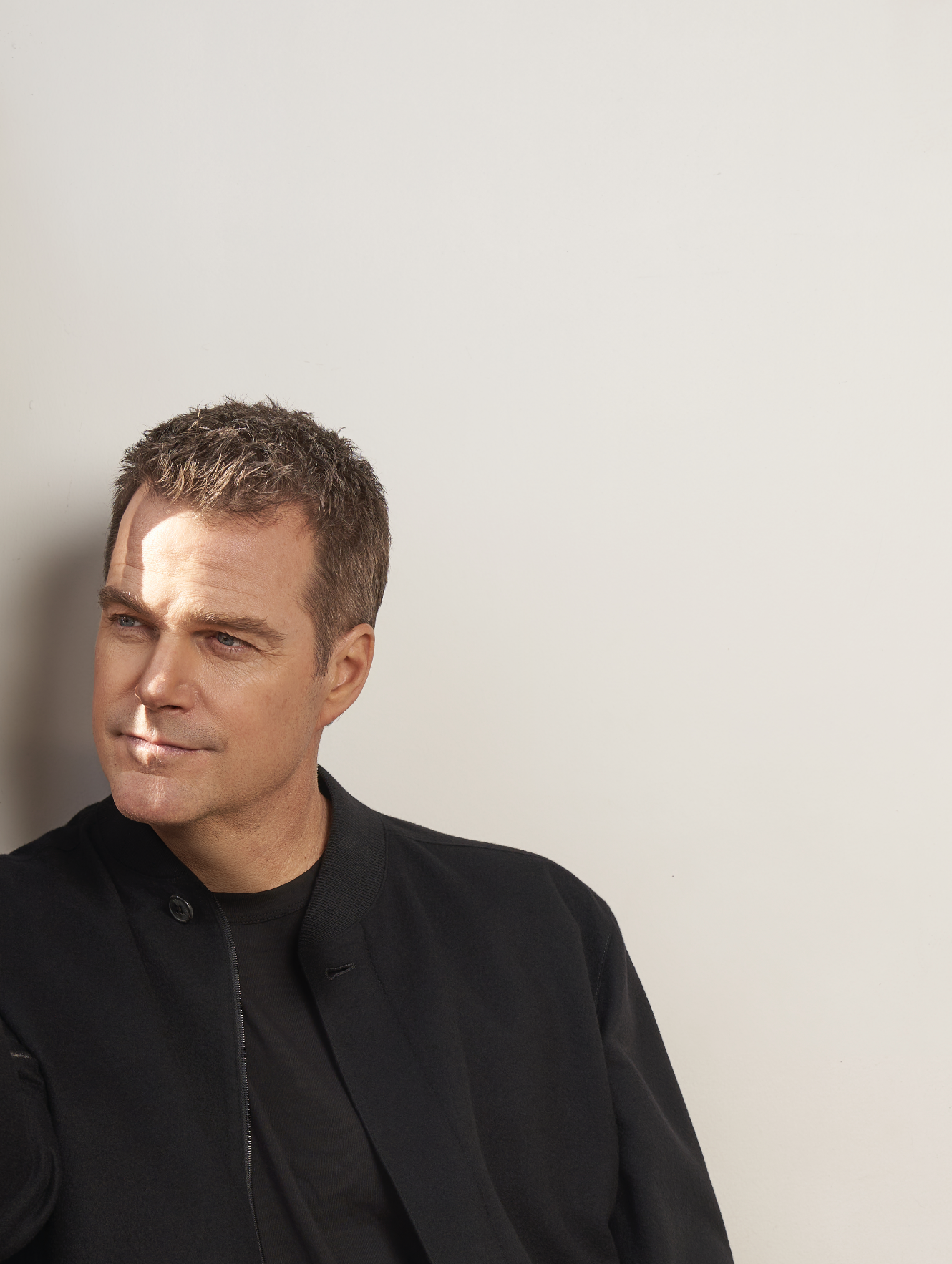
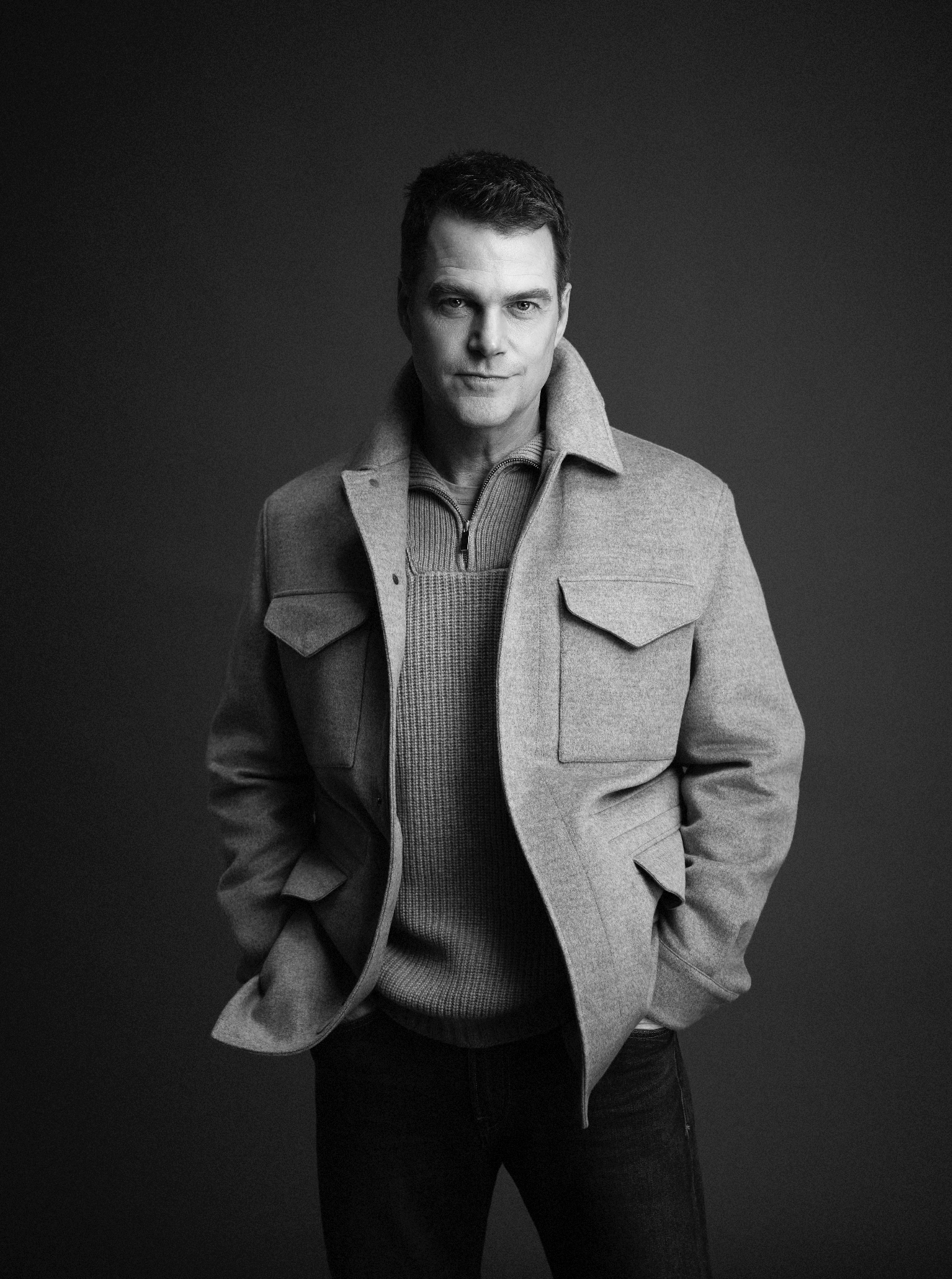
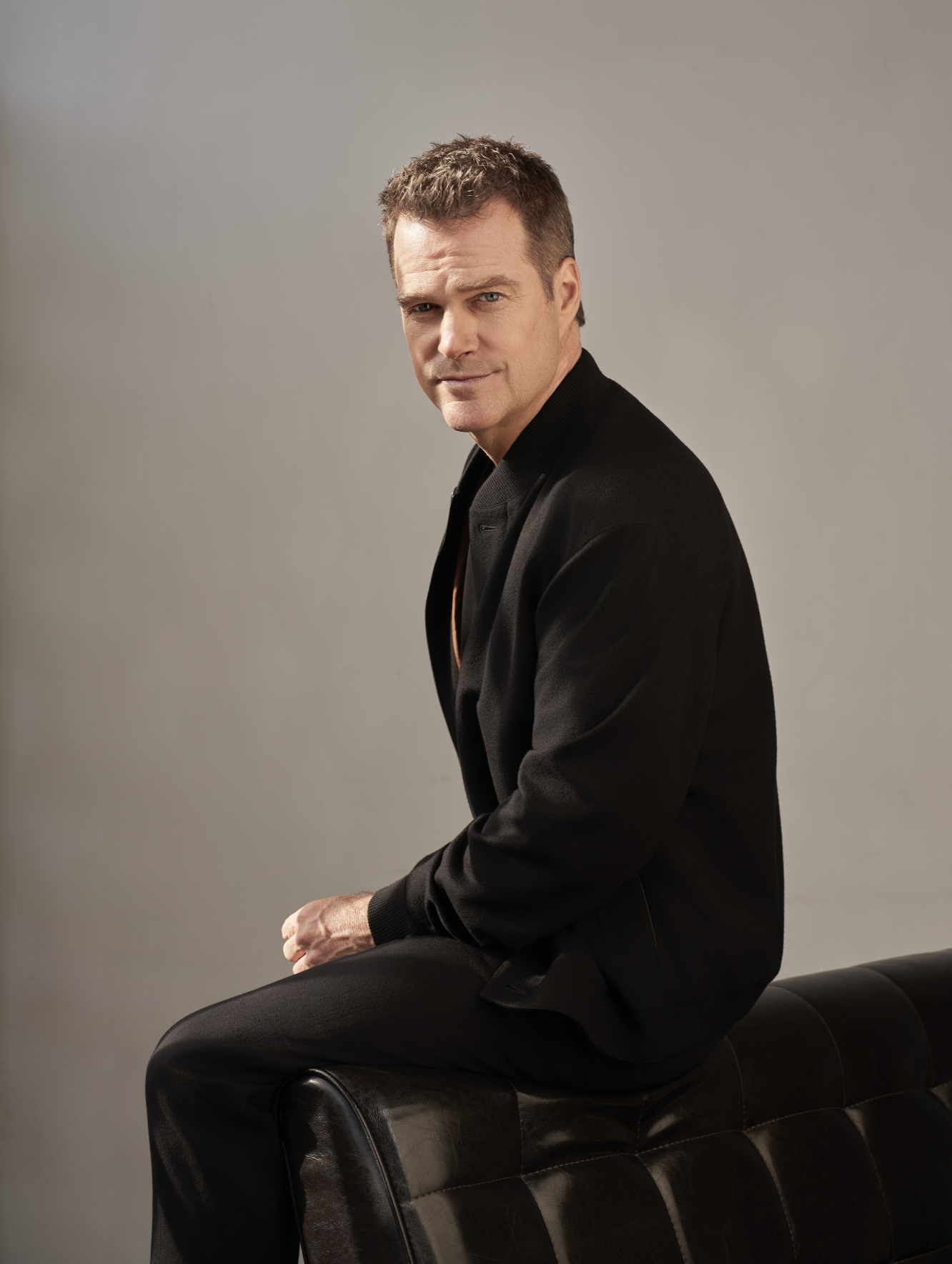
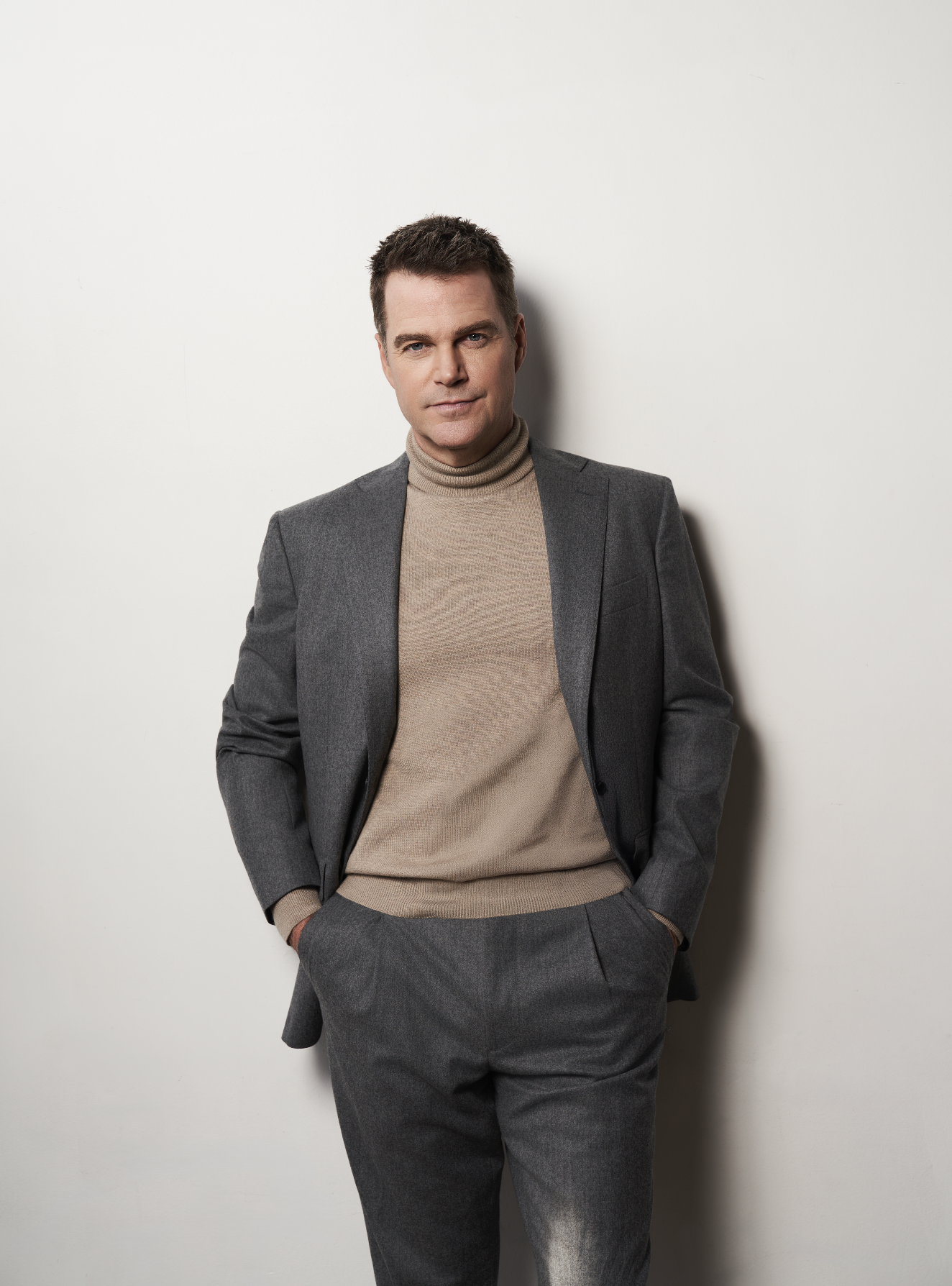
JR: Lots of actors come to photo shoots and they are frozen, because they don’t want to be there. But you were so animated, you were great, even my assistants were like he’s awesome, (laughs)
CO: Well, it’s part of the job, certainly, but it clearly comes from my training
back when I was 14 years old and I was in every Sunday newspaper.
(Laughs).
JR: You have worked with some of the most iconic actors and directors over the last thirty years. Which collaboration inspired you the most as an artist?
CO: Right out of the gate, honestly, Paul Brickman, who did my first film and really is the reason why I have a career. Paul’s an interesting guy, He’s only done two films, Risky Business and Men Don’t Leave, and he’s written on a few things here and there. I just think he’s an incredibly smart guy and I’d send him scripts because I trusted his opinion so much. He’s always brutally honest and he would show up for every premiere and screening of films I was in, and he would be, ‘Oh that was great,’ and he would call me the next day and be like, ‘Okay do you want my real opinion?’ I’m like, ‘Oh, my God, yeah. Bring it on.’ I really appreciated that. He’s somebody that cares so much and I think that’s why he’s a great artist. It wasn’t just commerce for him; it was really about the art of making films and he’s a real talent.
JR: You spent fourteen seasons on NCIS LA. What experience carried over into 9-1-1: Nashville?
CO: We ran a really tight ship on NCIS. If you want to have a life and do a show for a long time, you have to find balance. You have to say, “Look, we are here to work. Everyone needs to come prepared.” So, it was really a concerted effort by the key players involved that everyone is going to come prepared and if we have people that don’t come prepared, they are not going to stay on the show. And that was just how it was. So, jumping into this new show, suddenly you are in a whole new group and it’s like, ‘Okay, how are we going to establish this culture again?’ And it’s hard to do. But it’s just taking what you have learned from the nuts-and-bolts standpoint and trying to bring it into the next project. I think I would take that to anything I worked on. But that’s really the biggest thing, because you want these shows to have a long run and your quality of life can’t be destroyed by it. Otherwise, you won’t survive.
JR: Good for you for speaking up and not allowing the machine totake over and ruin your quality of life, I think that’s amazing.
CO: Well, the crazy thing is, I still feel like I am a young guy, but you look around the set and you go, “I am trying to find anyone here that’s had more time on a set than me and there’s not many.” And so you realize suddenly that you’re the one that’s got the experience and you need to be the leader, and you need to help set the tone, because you’ve just been around it more.
JR: So you have lived through multiple eras of Hollywood. What’s the biggest shift you’ve witnessed from the inside?
CO: Well, when I started, the line between film and TV was so strong it was crazy. You did film or you did TV and you did not go back and forth. It was just such a different business. And other than Sly [Stallone] and Arnold [Schwarzenegger] and Harrison [Ford] — these guys could go over and do ads in Tokyo — you didn’t do endorsements. It was just not acceptable. And it’s changed so much. First of all, I think that it’s the Golden Age of TV. There are so many great shows out there and everybody is working in television. People can binge-watch a story that would have been a two-hour film can now be an eight-hour season. And, obviously, they are still making huge spectacle films and blockbusters, but they’ve lost middle ground, the Broadcast News’ and the Tootsies and the Terms of Endearments. Those kinds of films are just not getting made at the level that they were; there’s just not a space for them anymore. And that’s a bummer because that was some great filmmaking that was going on. But there’s more opportunity, I think. It’s easier to get in the business on the one hand, because you can pick up a camera and shoot whatever you want and edit it and put it out there in the world. But it’s also harder to differentiate yourself and establish a brand, because there’s so many television shows and so many movies, how do you get any sort of name recognition? People are going to pop, but you are just as likely to pop as an influencer or as somebody on social media. So, the line is just so blurred across everything.
JR: I completely agree with you. I think back to when you started, there were movie stars and I feel like you knew exactly who they were. But now it’s just like you said, the lines are blurred where almost everybody is a movie star. If you have over three point five million followers, let’s just label you a movie star.
(laughs)
CO: Yeah, it’s pretty crazy, it really is. And the way that we consume all this stuff has just changed so much. You are watching the movies on airplanes, on your phone or on your iPads and it’s just such a different business.
JR: So when you look back at the early breakout roles like Scent of a Woman, Circle of Friends, Batman and Robin, what version of yourself do you see?
CO: In Scent of a Woman, I really was so young and green and there was still so much of the Midwestern kid from Chicago. There was no hiding it; it was just who I was. Scent of a Woman was a very coveted role, and I am sure many of the guys I was up against were much more talented than I was, but there was just something about me that Marty Brest was like, “He is the kid, he can do it.” I hadn’t really acted before, so it was getting to work with Pacino and Jessica Lange and Marty Brest and Richard and all these great directors and actors along the way that you learned from watching their technique and how they prepare, and it just helps you to become better at what you do. With films, you work for a few months and then you don’t work for a year and then you work again, so it was a slower process for me learning all of this. I did an Arthur Miller play on Broadway, and Scott Ellis directed it. I literally had never been on stage before and Iearned so much from his process. And he grabbed me and was like, “You should read this book,” and it was Uta Hagen’s book, Respect for Acting. I read it and it was so validating because it was like, “Oh, I do that…. Oh, that’s what that is called…. So maybe I am not a phony.” Even though I hadn’t gone to acting classes and school, I just somehow was doing things instinctively. I think we did 80 shows and it was an exhausting play and you can’t use the same old tricks you use on a film. This was putting the work in and seeing the results, and it was very satisfying.
JR: You have played so many characters at different stages of your own life. Which role taught you the most about yourself?
CO: I don’t know that there’s any role. I think as much about the experience of making it as I do the actual role and playing the role. Because for so much of it, I was really young and living out on my own in random cities and learning about myself. I think part of the fun and the experience was packing up and setting up camp for three, four, five months at a time in different places. When I started out, I was single and it was a great adventure, and you earn a lot about yourself. And then all of a sudden, I get married and I am bringing a wife on the set and kids on the set. Vertical Limit was a strong memory because it was Carolyn and me living in New Zealand for 10 months and our first daughter, Lily, was born there. And those are incredible memories. So, I think I just learned more from the adventure of making the films than I did from the roles I was playing.
9-1-1: Nashville” airs Thursdays at 9/8c on ABC; Streams next day on Hulu.
To learn more about Chris follow him @chrisodonnell