

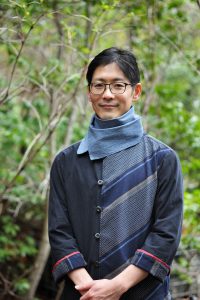
JUMPEI KATAOKA
GENERAL MANAGER
Interview} Ken Waller
Location} HOSHINOYA, FUJI
KW: HOSHINOYA Fuji is often described as Japan’s first luxury glamping resort. What core idea or emotion defines the property for you today?
JK: While the roots of glamping trace back to European aristocrats seeking their accustomed elegance even while on expeditions, the modern interpretation has evolved into a style of travel that allows guests to fully immerse themselves in the richness of nature without compromising on comfort. Since its opening in 2015 as Japan’s first luxury glamping resort, HOSHINOYA Fuji
has embraced its role as a pioneer, nurturing and shaping this culture within Japan. At the heart of our philosophy is a simple yet profound experience: cherishing nature and opening oneself to its ever-changing dynamism.
The forest at the northern foot of Mount Fuji, where HOSHINOYA Fuji is located, was born from the raw forces of volcanic activity and has transformed over more than a thousand years into the rich ecosystem we see today. Here, visitors encounter the delicate transitions of Japan’s four seasons alongside the overwhelming presence of Mount Fuji. Whether it is listening to birdsong from the terrace, admiring the flora rooted in layers of volcanic lava, or gathering around a bonfire at night while feeling the forest breathe—every moment of the stay is carefully designed for our guests to experience the beauty, abundance, transience, and solemnity of nature with all their senses. Our purpose is to provide more than just a luxurious stay; we seek to create a profound, almost primal
experience where guests feel truly connected with the natural environment of this land.
KW: The architecture blends so quietly into the forest that it almost disappears. How intentional was that restraint, and what story does the design aim to tell?
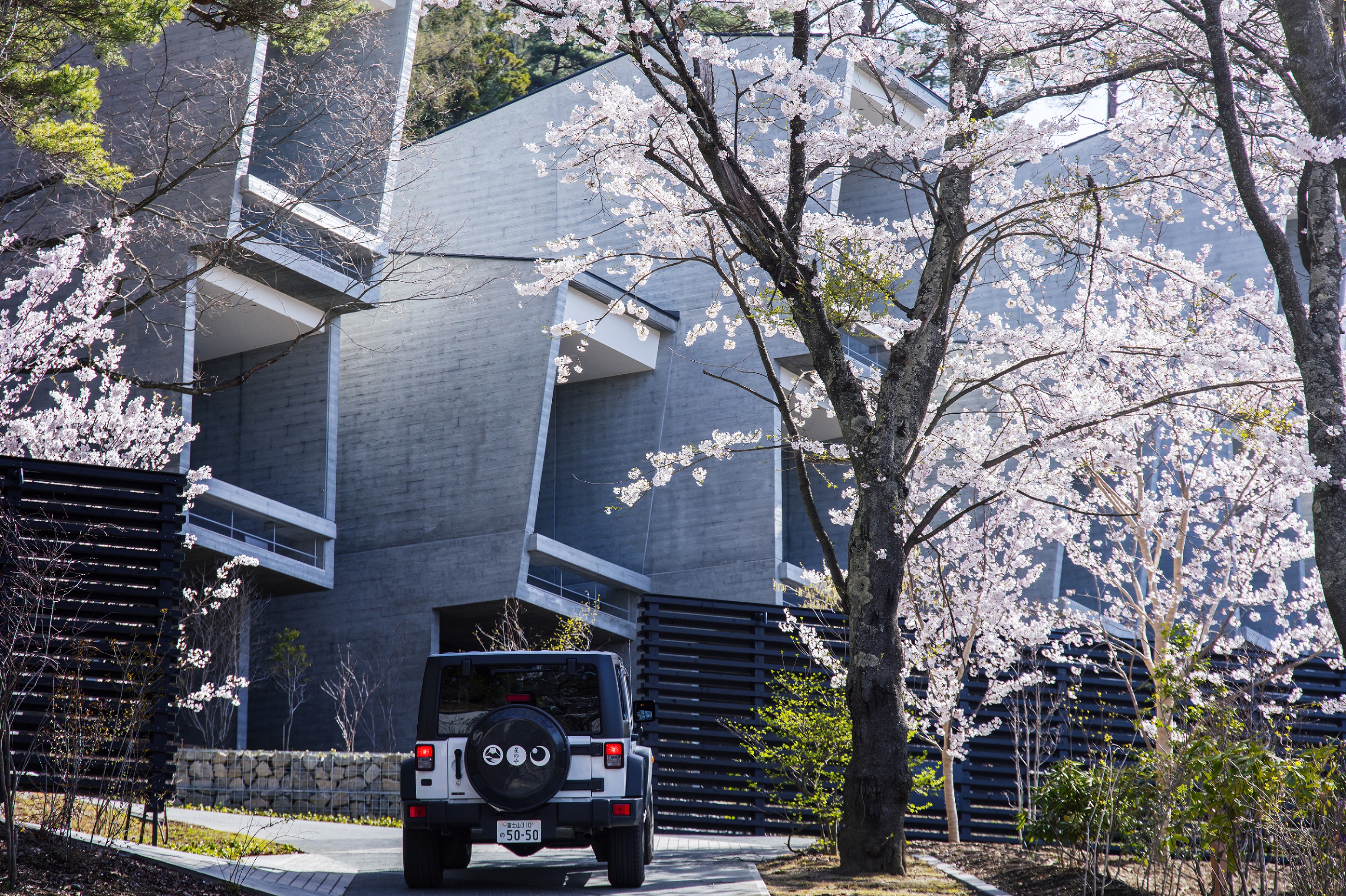
JK: As you rightly point out, this sense of restraint was entirely intentional. Given the unique setting within a national park, we believe that nature itself should remain the true protagonist, while the architecture should serve as a “vessel” to amplify its beauty.
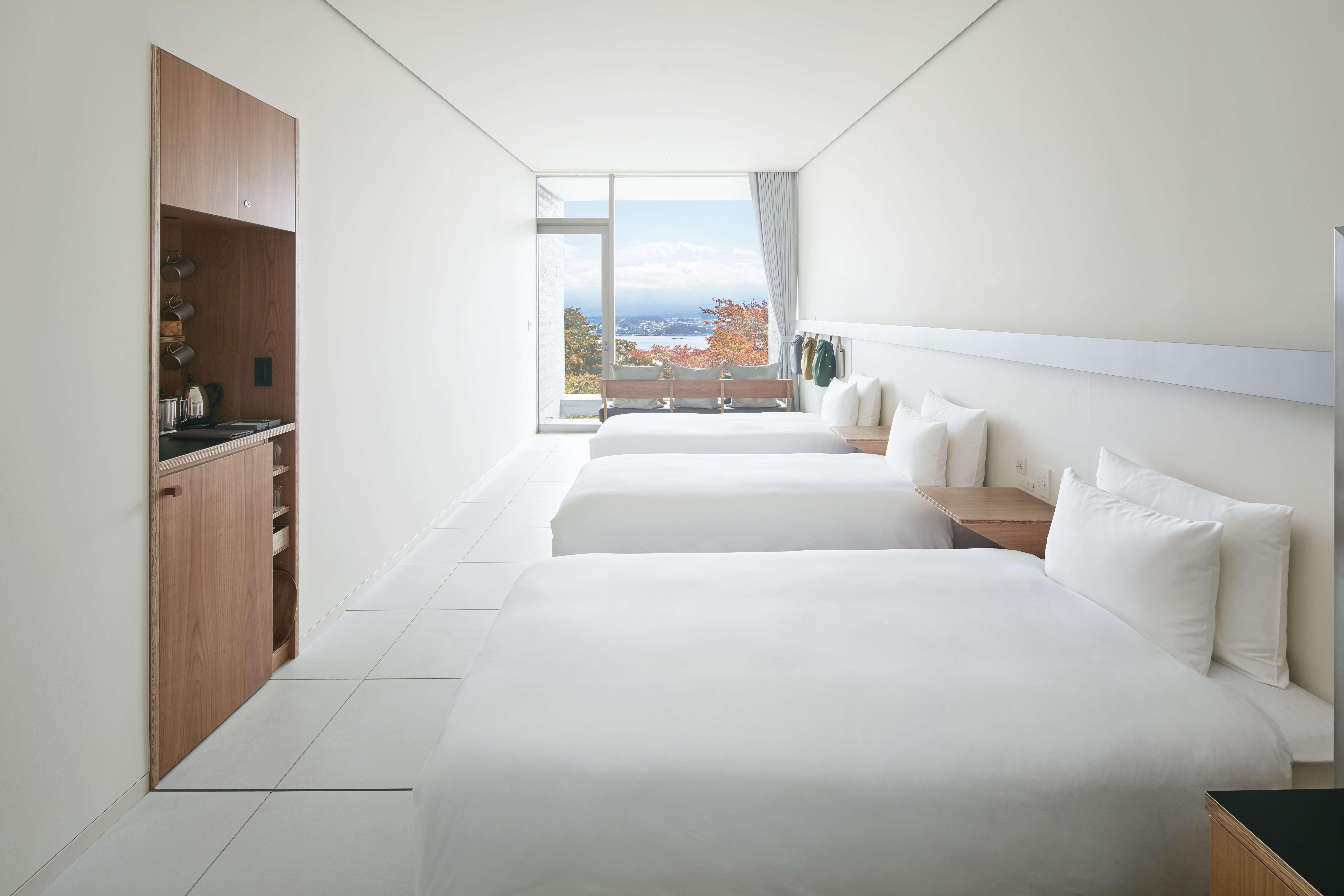
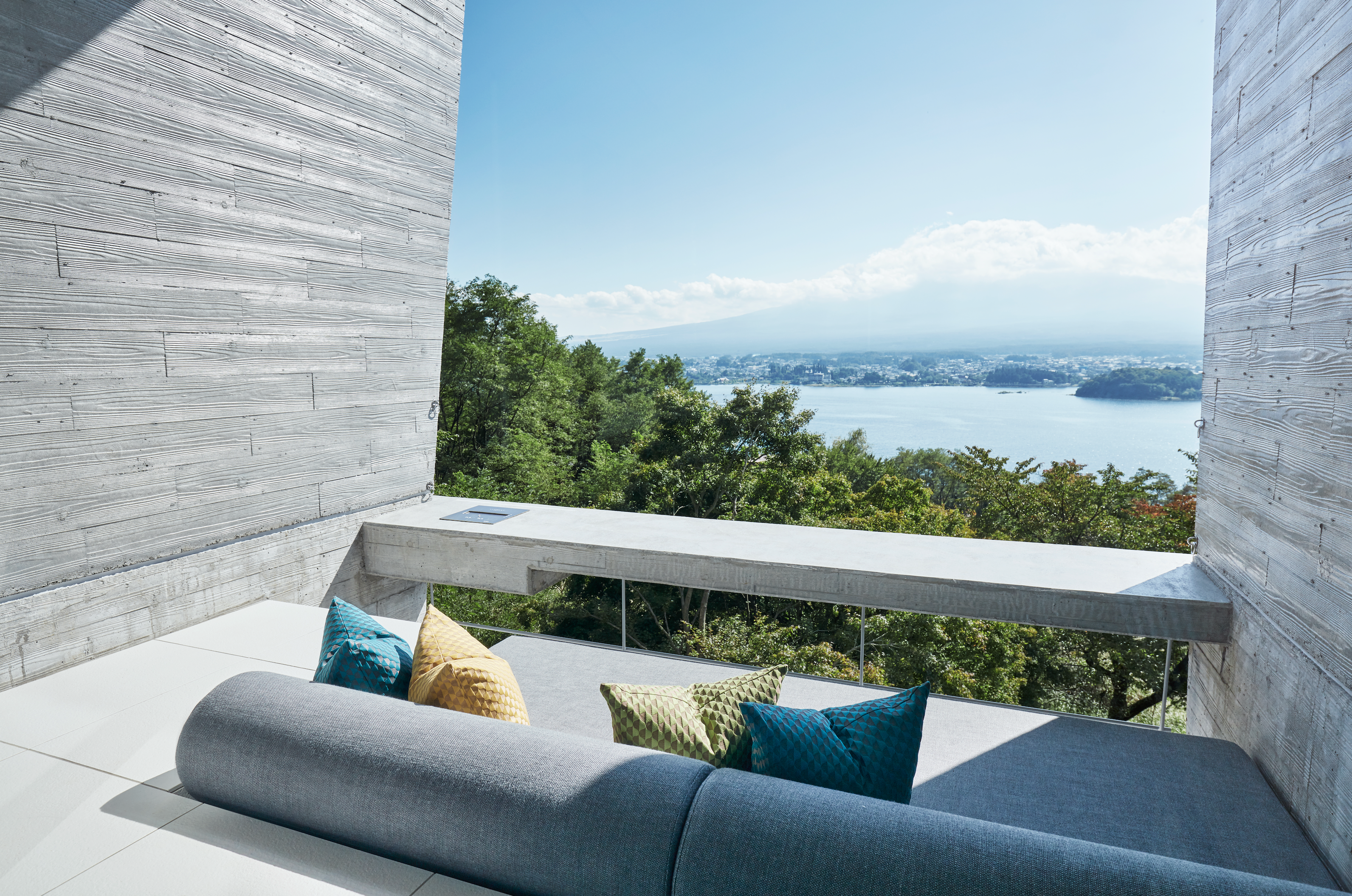
The story this design tells unfolds in two chapters, each offering a contrasting way of engaging with nature. The first is a moment of facing the grandeur of Mount Fuji. All guest cabins feature deliberately minimal exteriors that emphasize the raw texture of concrete, with interior color palettes reduced to the bare minimum. By stripping away visual “noise,” we allow the colors of Mount Fuji beyond the window to emerge with greater intensity. The windows, designed like scopes, act as frames that capture Mount Fuji as a living masterpiece—its expression shifting from moment to moment— and invite guests into a quiet, almost meditative state.
The second chapter is an experience of immersing oneself in the vitality of the forest. The Cloud Terrace, located on the upper portion of the site, was designed to minimize the presence of the architecture itself, following the natural slope of the woodland. The pitch of the roof, the subdued exterior tones, and the placement of decks that weave gently between the trees— all of these elements were thoughtfully designed so as not to disrupt the forest’s natural contours. Here, attention shifts away from the grand symbol of Mount Fuji toward the subtle, intimate changes of nature at one’s feet: moss-covered ground, dappled sunlight filtering through the trees, and the sound of the wind moving through the forest. Through this architecture, we seek to express a distinctly Japanese reverence for nature—one that honors both overwhelming beauty in the distance and delicate signs of life close at hand, valuing each with equal respect.
KW: Guests come here seeking nature, but also comfort. How do you balance wilderness authenticity with the standards of a luxury hospitality brand?
JK: We define true luxury not as mere “ornate decoration” or “standardized service,” but as the ability to immerse oneself in a richness that can only be experienced in that moment and in that place.To balance nature with comfort, we reinterpret the natural limitations of the environment not as hardships, but as experiences that free the mind and heighten the senses.
Of course, any physical inconveniences in accommodation or dining are thoroughly eliminated—our facilities are designed to provide complete comfort. Yet nature is always in motion. Sometimes Mount Fuji is hidden behind clouds and rain; in winter, temperatures can drop below freezing. In such moments, we encourage guests to experience the rain not as an obstruction that hides the mountain, but as music that nourishes the forest; to feel the winter cold not as something to endure, but as a spice that accentuates the warmth of a bonfire. By providing a comfortable environment and guiding guests to a new perspective, we transform nature as it is—unpredictable, ever-changing—into an irreplaceable and profound experience. This is the form of luxury that HOSHINOYA Fuji strives to offer.
KW: What is one experience – big or small – that you believe captures the essence of staying at HOSHINOYA Fuji?
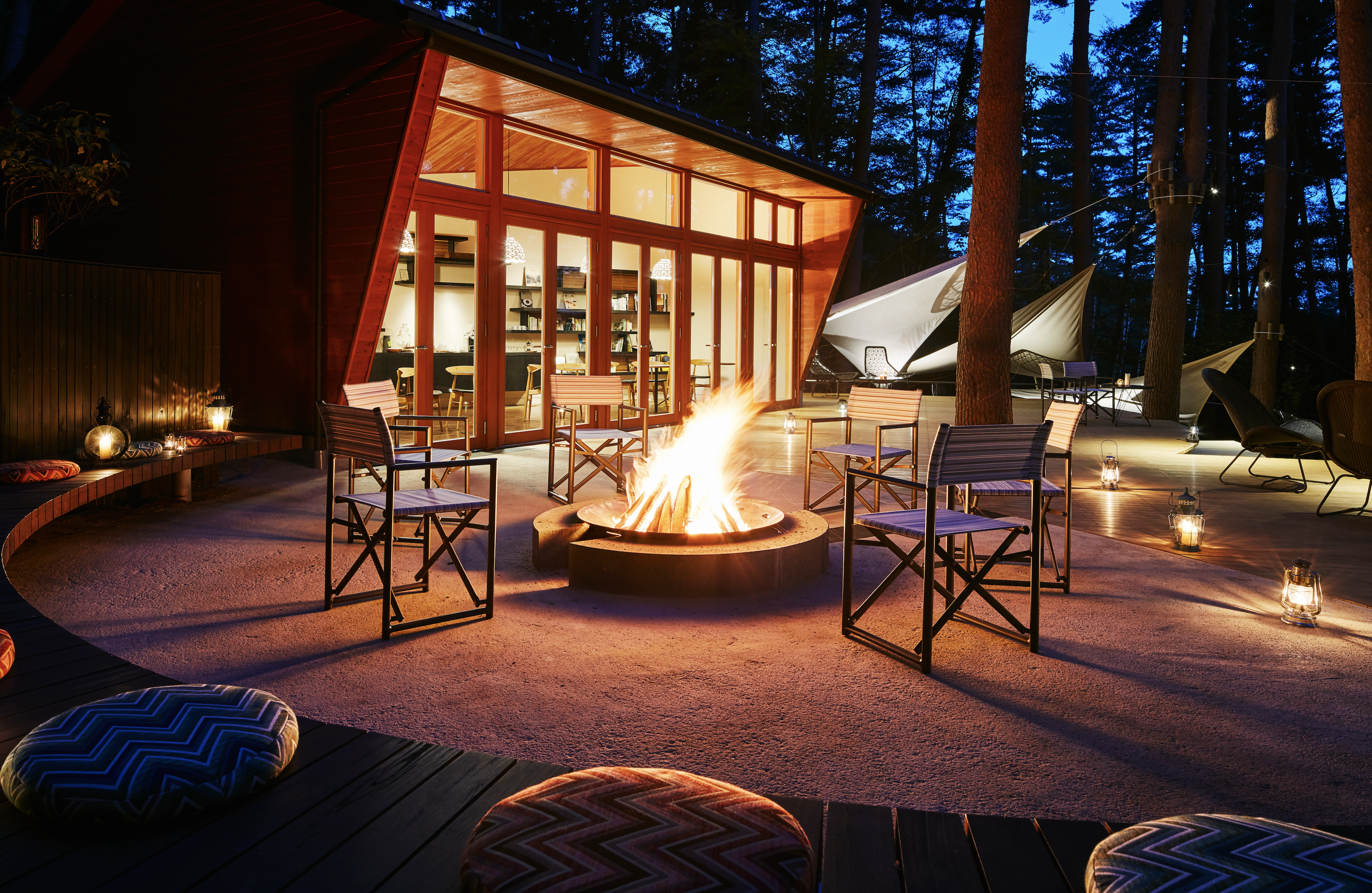
JK: I would highlight the ever-present bonfire on the Cloud Terrace. This fire begins its day with guests and staff walking together through the forest to gather firewood. Each morning, guests kindle the flames with their own hands and savor coffee brewed over the fire. During the day, they toast marshmallows or fruits, and at night, with a drink in hand, they gather around the fire, accompanied by music and the gentle rustle of the forest. Throughout the day, someone is always tending the flames, carefully keeping the fire alive. As the day comes to a close, the fire is quietly allowed to fade, and the forest returns to deep stillness.
To kindle the fire, nurture it, gather around it, and finally return to silence—this entire cycle goes beyond a mere activity. It seems to embody the rhythms of nature itself and the cycle of life. Around this intangible fire, guests converse with nature beyond words. It is this primal yet luxurious experience that, I feel, truly encapsulates the essence of a stay at HOSHINOYA Fuji.
KW: Mount Fuji is a powerful symbol in Japanese culture. How does its presence shape the guest journey, both practically and spiritually?
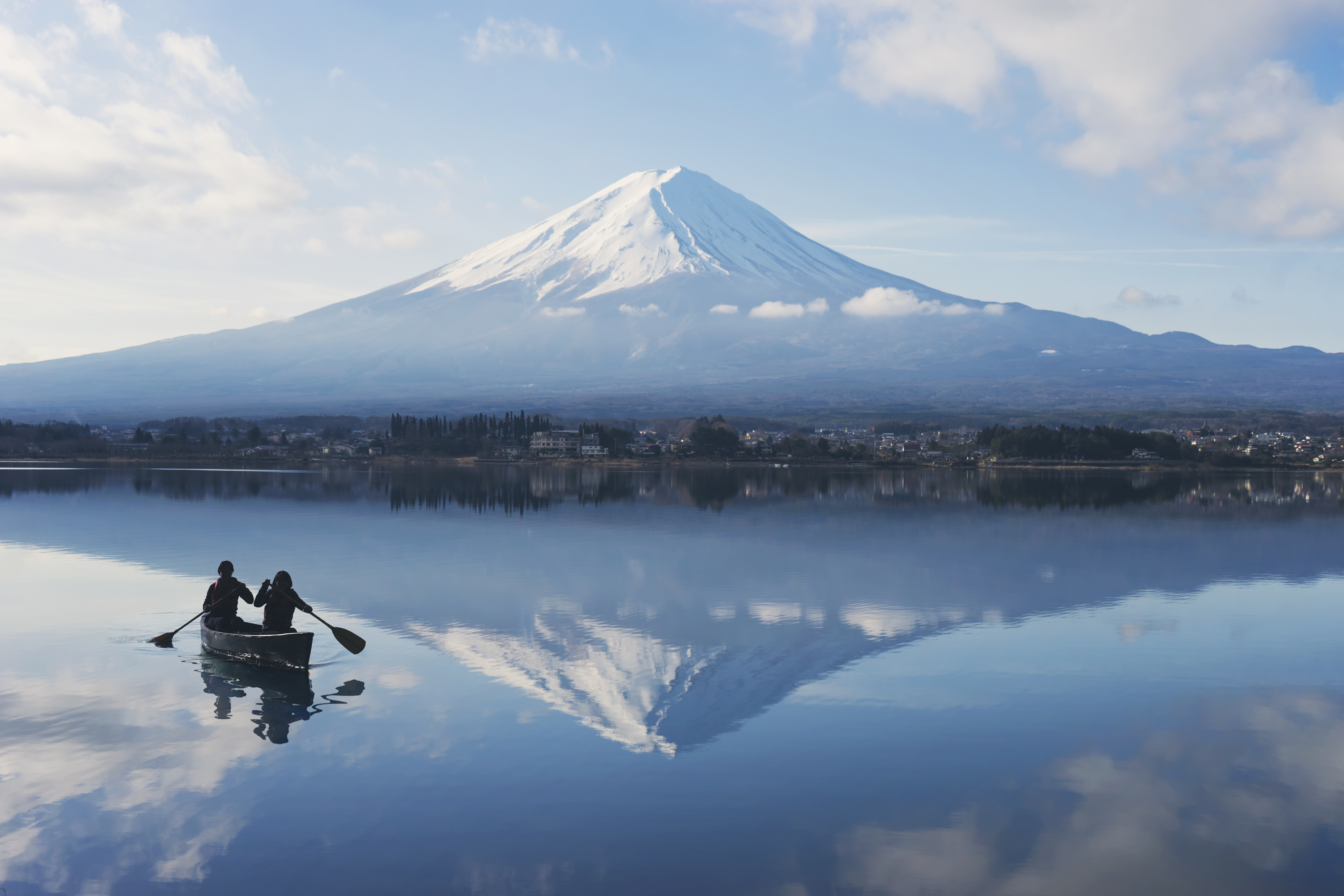
JK: For Japanese, Mount Fuji is not merely a beautiful mountain; it has been revered since ancient times as an object of faith and awe—a sacred presence. At HOSHINOYA Fuji, we feel that Mount Fuji serves as a “quiet reference point,” subtly guiding each guest’s journey. Practically, the entire design of the resort and its activities is oriented around the mountain. Each morning begins with a view of Mount Fuji from the cabin window, and the shifting colors and movement of clouds throughout the day help determine the pace and rhythm of one’s time. In this way, Mount Fuji effectively designs the flow of the guest’s day.
Yet its influence goes far beyond the practical. To spend time in the presence of Mount Fuji’s immense, unwavering grandeur naturally draws one inward. Thoughts scattered by the noise of the city begin to settle, and guests find themselves reflecting on what truly matters to them, recognizing both their own smallness and their own value. In this sense, Mount Fuji becomes a mirror for the self. What guests carry away at the end of their stay is not only a memory of breathtaking views, but also a renewed sense of self—shaped and inspired by time spent under the watchful, empowering presence of the mountain.