
THE FOUNDRY
Interview by Hudson Graham
THREE WOMEN, ONE SHARED VISION: THE ART OF COLLECTED LIVING
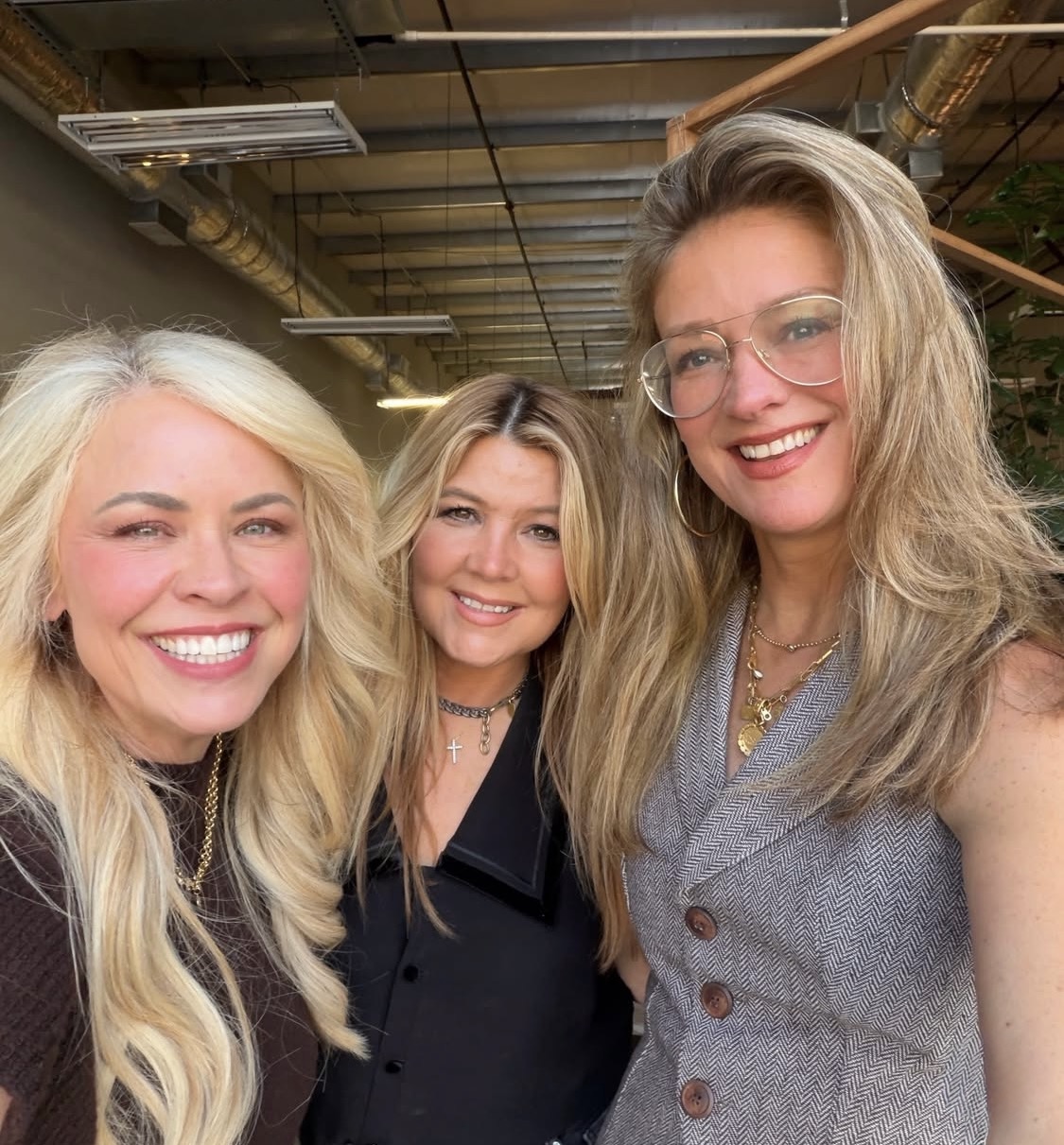
An intimate conversation with Laura, Crichton, and Stephanie, the women behind The Foundry in Peachtree City, Georgia.
There is something undeniably compelling about a home that feels collected rather than decorated. A thoughtful juxtaposition of centuries-old antiques, contemporary furnishings, and carefully chosen works of art creates interiors that are as individual as the people who inhabit them. At The Foundry, a beautifully curated furniture and interiors destination in Peachtree City, Georgia, three women have come together with a shared vision: to celebrate the art of living beautifully, where European antiques meet modern sensibility. We speak with Laura, Crichton, and Stephanie about their creative philosophy, the thrill of discovery, and why the most memorable interiors are never created overnight.
HG: The Foundry is the realization of a shared creative vision between three women. Laura, take us back to the beginning. How did you, Crichton, and Stephanie come together, and what inspired you to create a destination dedicated to art, antiques, and beautifully considered interiors?
Our story began through a previous business venture that brought the three of us together. While we each came from divergent backgrounds, we quickly discovered a shared appreciation for beautiful interiors, European antiques, and the character that comes from thoughtfully collected pieces. What we had not necessarily anticipated was the genuine friendship that would develop along the way. Through working together, we formed a bond built on mutual respect, trust, humor, and a shared creative vision. We have become great friends, and I think that friendship is really at the heart of The Foundry. We each bring something a little different to the table, both in our individual talents and aesthetics, but those differences are what make our partnership work so well. Our strengths naturally complement one another. We envisioned a space that felt less like a perfect furniture showroom and more like stepping into a beautifully curated experience, where antiques, art, and contemporary furnishings coexist effortlessly. The Foundry grew out of that vision, our friendship, and a desire to create a destination where people could discover pieces with history, character, and a story to tell.
HG: Your philosophy, “A collected approach to interiors, where European antiques meet modern living,” speaks to a very particular design sensibility. What does the idea of a collected home mean to you, and how does that philosophy inform everything you bring into The Foundry?
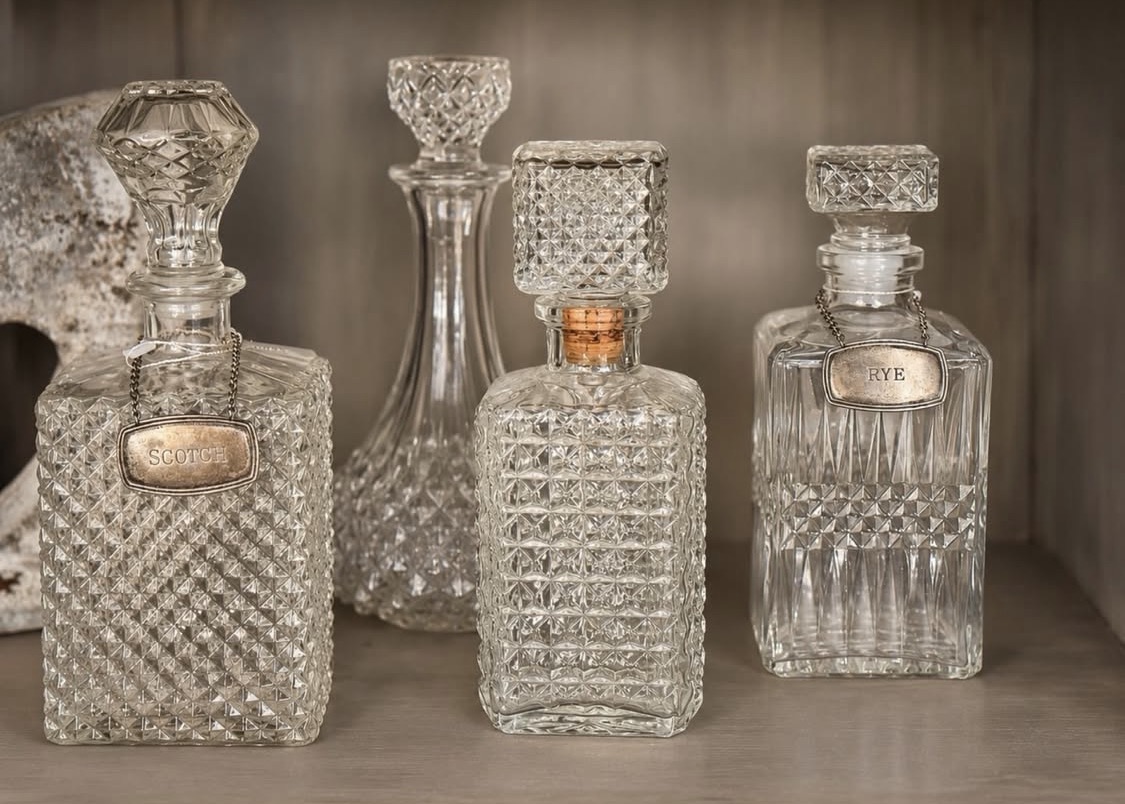
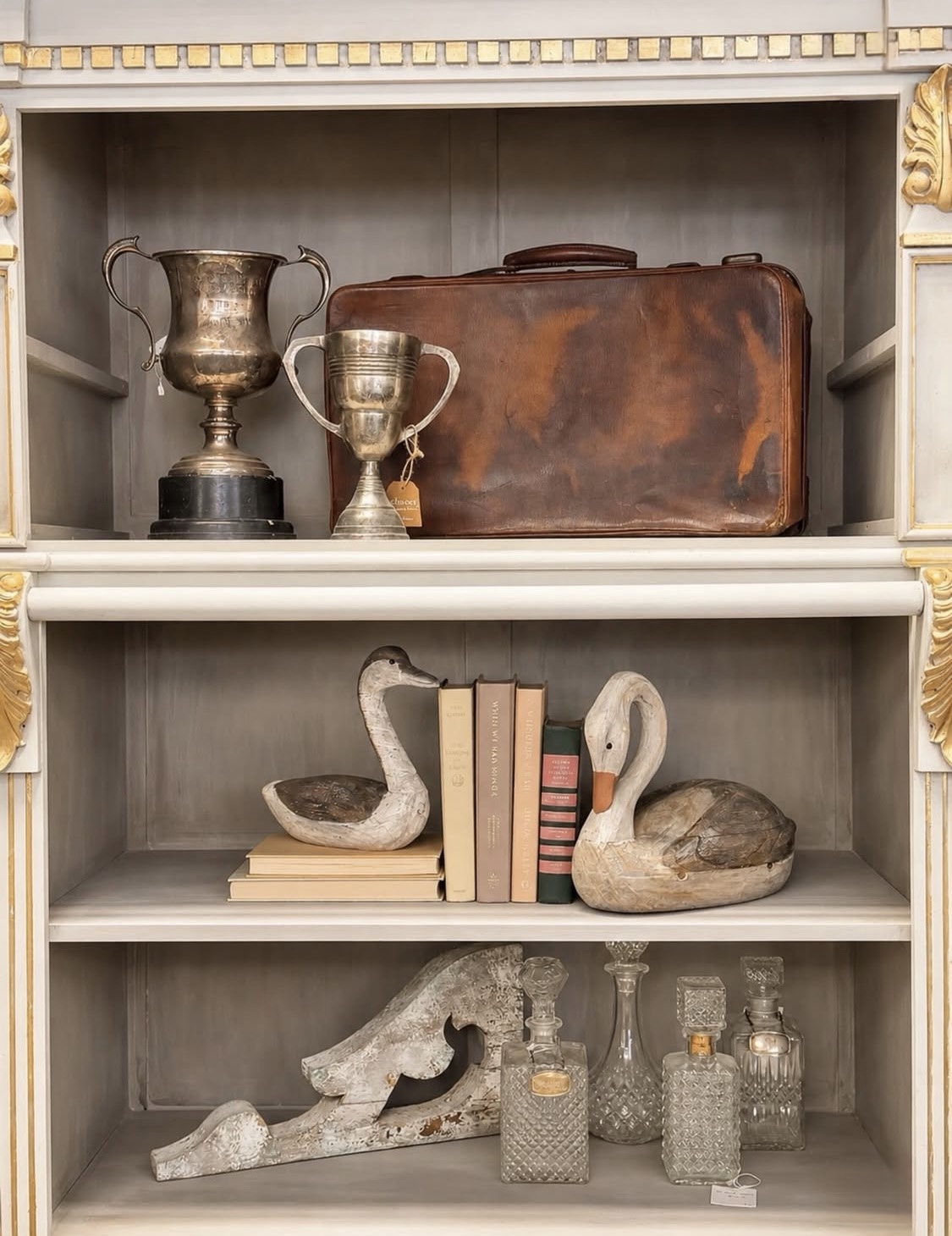
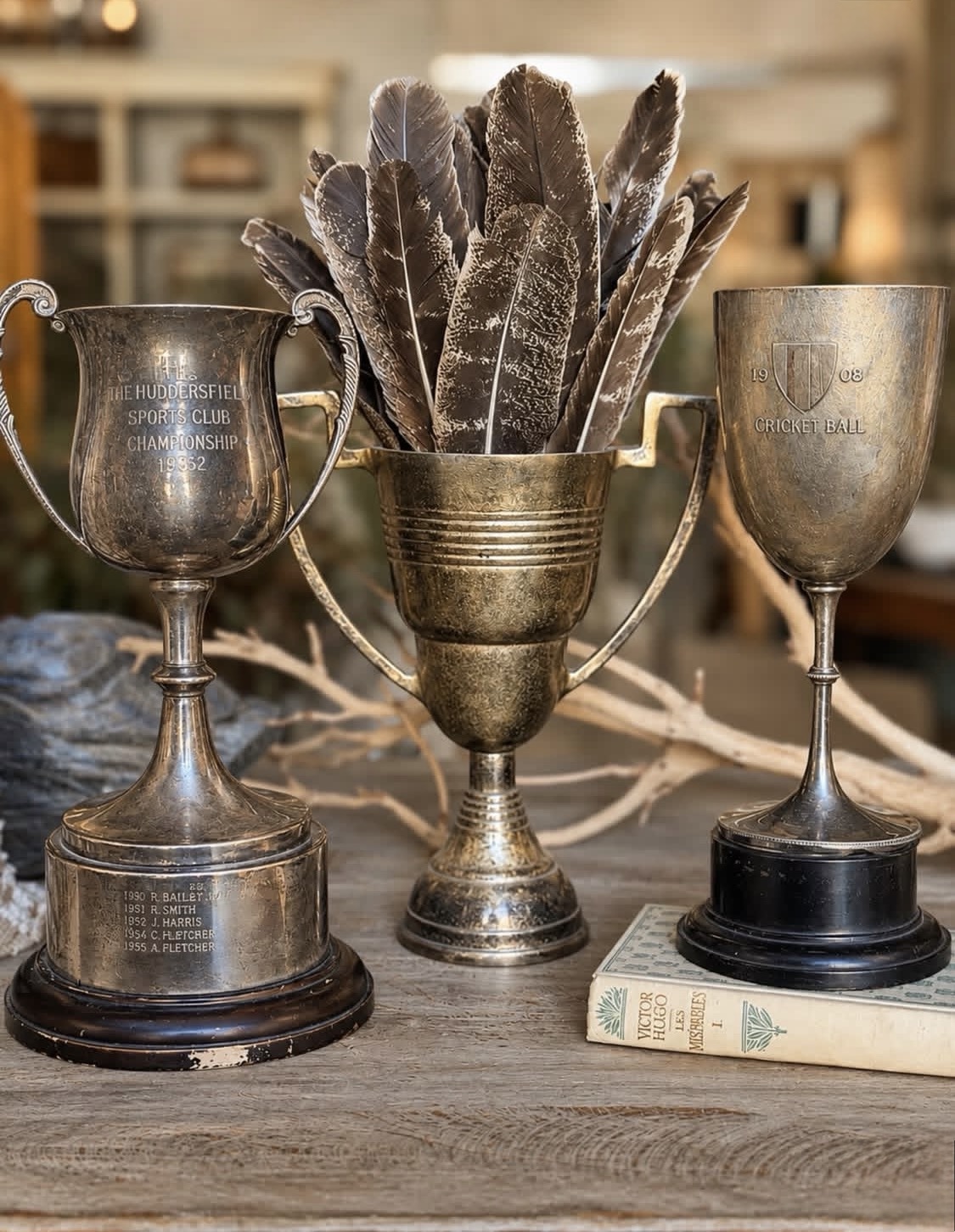
To us, a collected home feels as though it has evolved over time. It is not a room purchased in a single afternoon or assembled to follow a formula. It is a reflection of the people who live there—their travels, memories, interests, and discoveries. We love combining the masculine and feminine, the tension between something old and something new… a weathered antique beside a clean-lined sofa, or a beautifully worn piece of silver used in an unexpected way. When we choose pieces for The Foundry, we ask whether they have character, whether they can live comfortably in a modern home, and whether they will still feel special years from now.
HG: There is an art to mixing periods, textures, and design styles without making a room feel overly decorated. What is your approach to pairing an eighteenth-century European antique with a striking contemporary piece, and what makes those seemingly contrasting elements work so beautifully together?
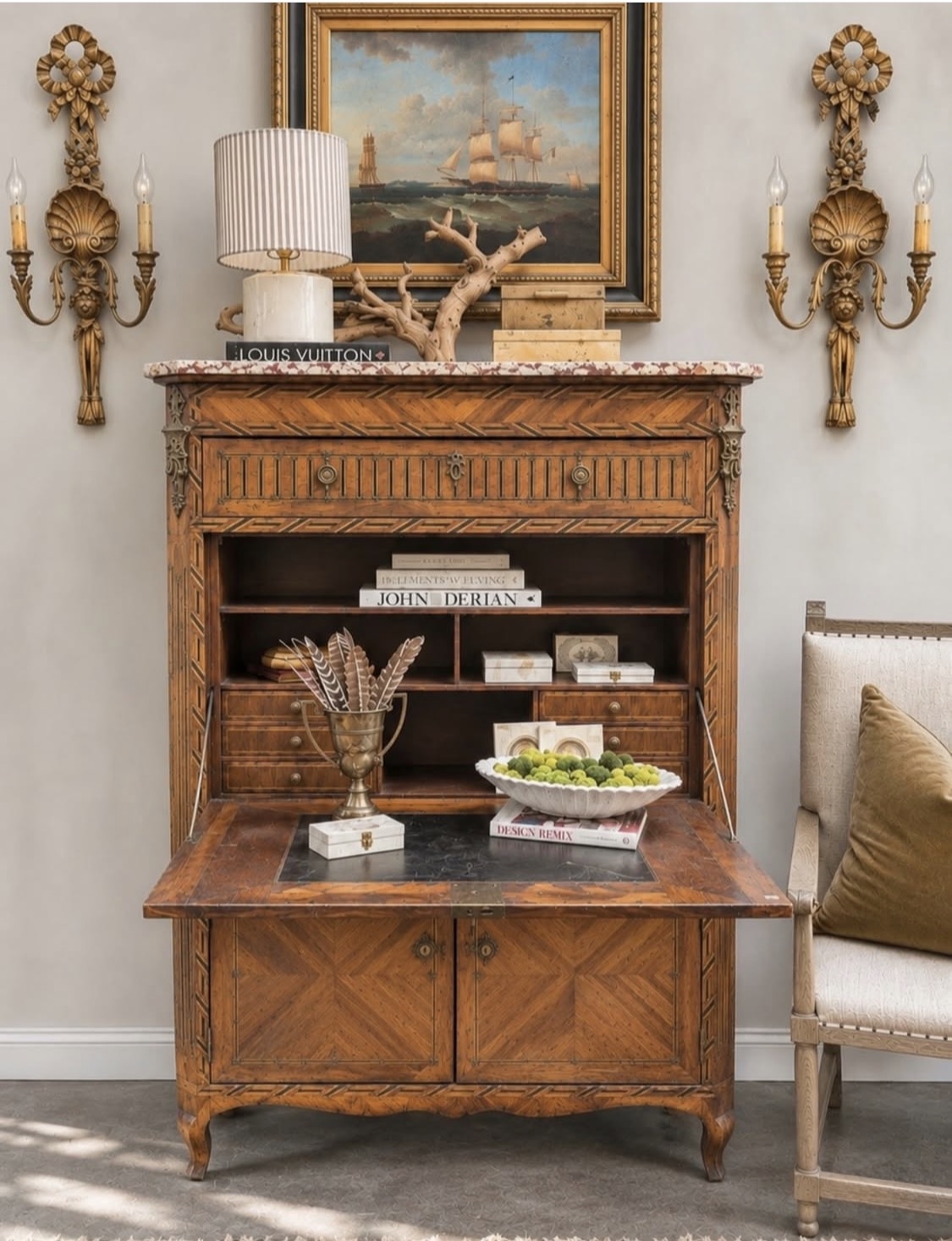
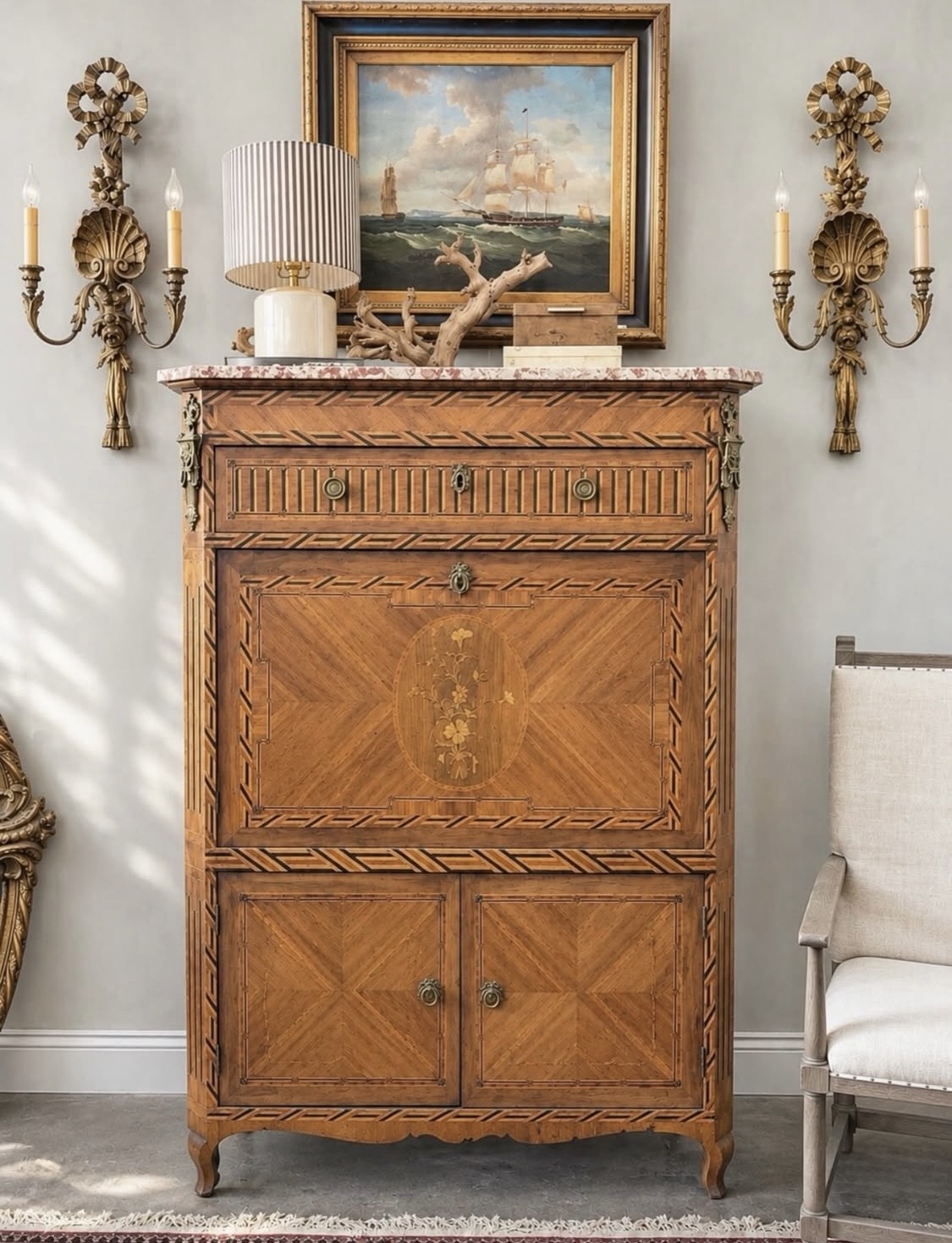
The key is to look for a conversation between pieces rather than trying to make everything match. An eighteenth-century cabinet can be stunning beside contemporary art because each gives the other plenty of room to shine. We pay attention to proportion, scale, and the balance of materials, such as warm wood against stone, a delicate silhouette against something more substantial, or the softness of linen beside aged metal. A room needs breathing space, too. When every object is competing for attention, you lose the beauty of the individual pieces. The contrast should feel intentional but never forced.
HThe most interesting interiors often tell a story about the people who live in them. When curating pieces for The Foundry, what qualities immediately capture your attention? Is it provenance, craftsmanship, patina, or simply that indefinable feeling when you discover something extraordinary?
I would say all the above. Craftsmanship and patina always draw us in. There is something so appealing about a piece that shows the hand of its maker or the gentle evidence of a life already lived. Provenance can make an object even more compelling, but it is not the only thing that matters. Sometimes you come across an unusual shape, a remarkable finish, or a piece that simply stops you in your tracks. We love those moments. Our goal is to find objects with enough presence and personality to become part of someone else’s story.
HG: European antiques are clearly central to The Foundry’s identity. Are there particular countries, design periods, or decorative traditions that you find yourselves continually drawn to? And how do you go about sourcing pieces that feel both historically significant and entirely relevant to contemporary living?
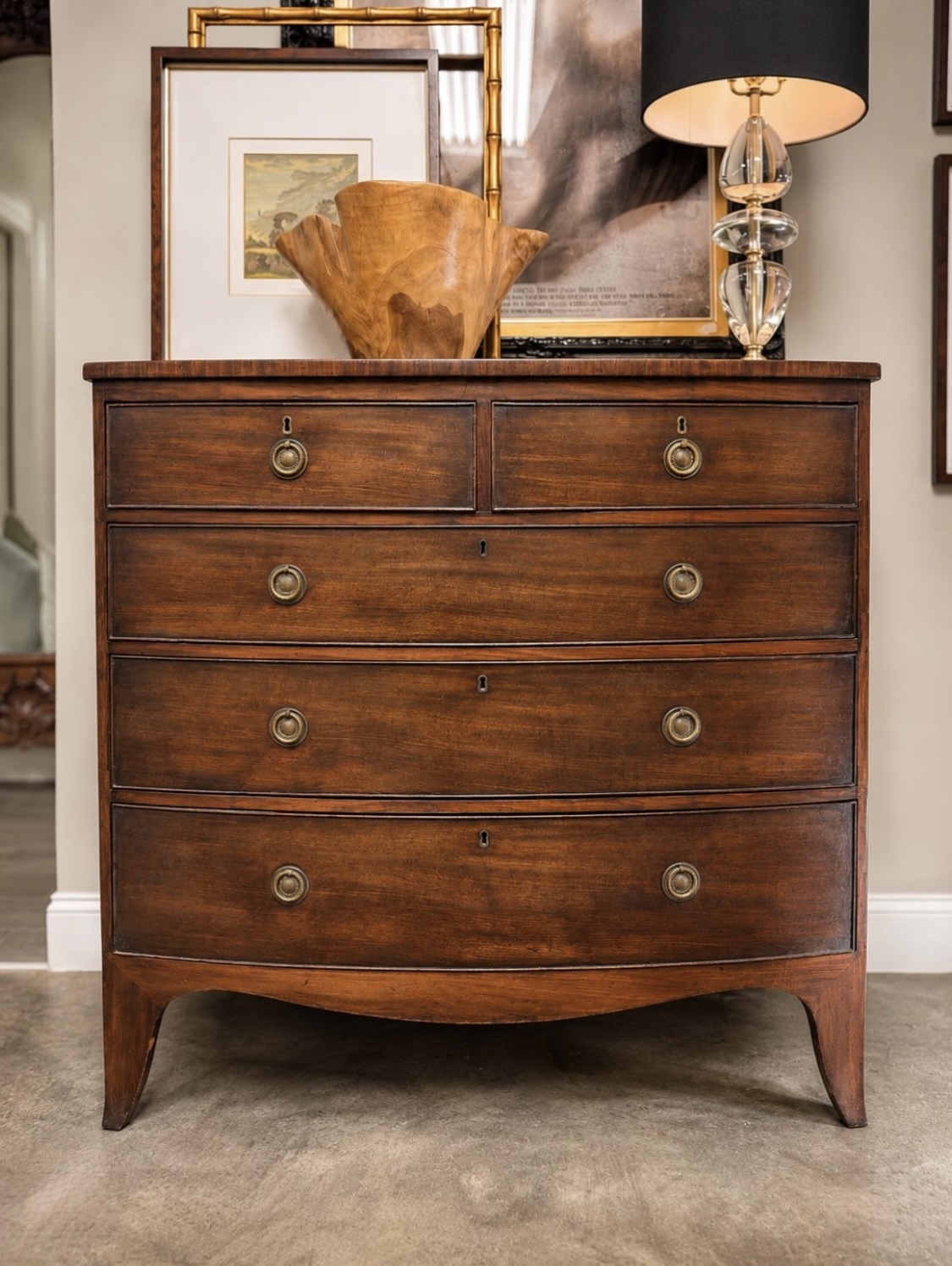
We are especially drawn to French design and the elegance of European decorative traditions, including the graceful lines and detailing associated with the Louis periods. But we don’t believe in limiting a room to one country or century. English antiques, continental furniture, timeworn finishes, and interesting architectural elements can all work together beautifully. When sourcing, we look beyond a label or a date to consider construction, condition, proportion, and versatility. A piece may have a rich history, but it also needs to make sense in the way people live today. For example, an 18th century chest from an estate in Lyon can be a beautiful conversation piece but also serve as a practical piece for storage in a living room.
HG: The Foundry is as much about art as it is about furniture and antiques. How important is art in creating a beautifully layered interior, and do you believe a room should be designed around a significant piece of art, or should the collection evolve organically over time?
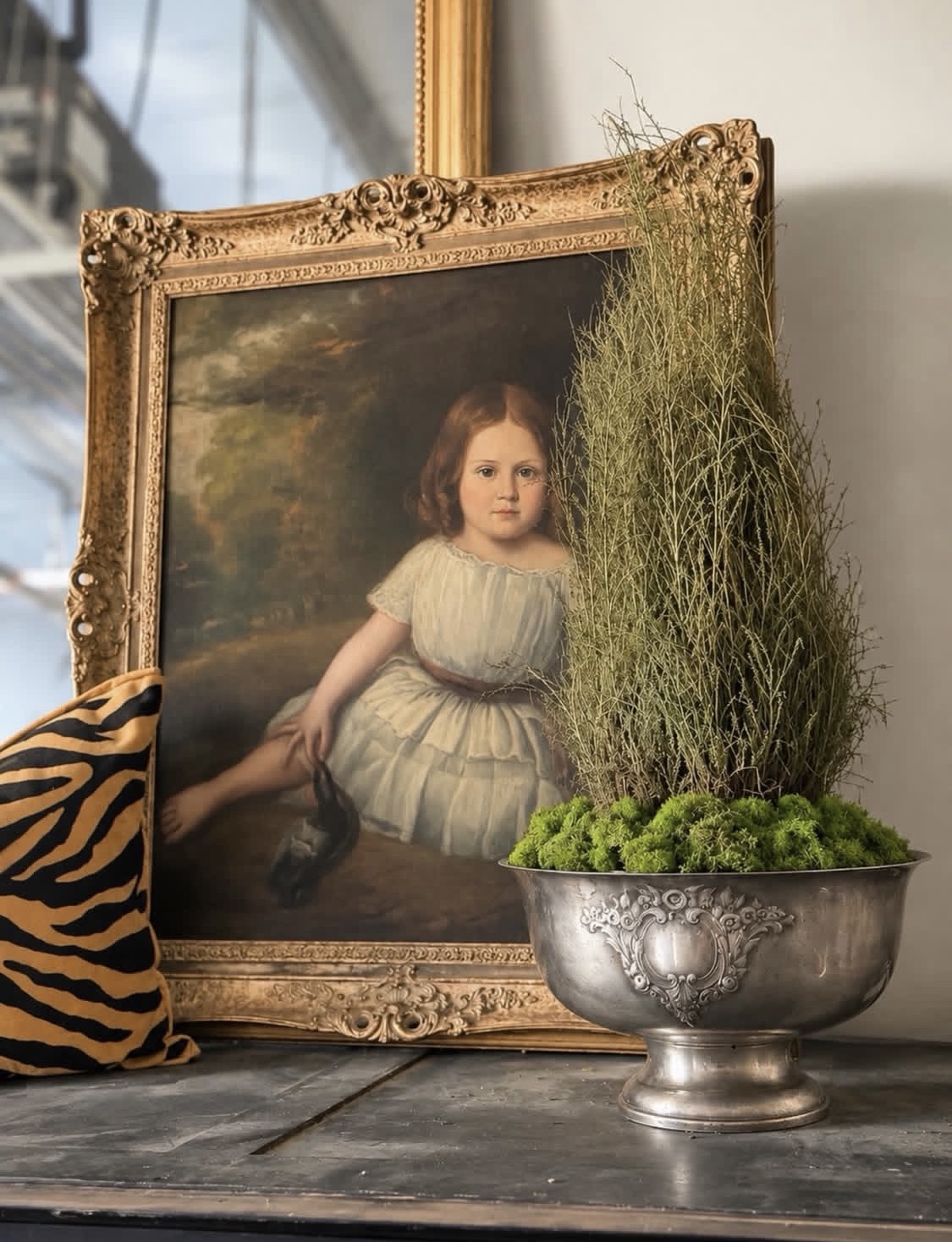
Art gives a room its point of view. It can introduce emotion, color, scale, and a sense of surprise in a way that furniture alone often cannot. Sometimes a wonderful painting is the starting point for an entire room; other times, the right work is found years after the furniture is in place. I don’t think there is one correct order. What matters is choosing art that resonates with you rather than something that simply fills a blank wall. A collection becomes especially interesting when it grows naturally, with pieces that mean something to the person who lives with them.
Question 7
The three of you undoubtedly bring different perspectives and personal tastes to the business. How do those individual sensibilities complement one another, and what does each of you contribute to the distinctive aesthetic that defines The Foundry?
What makes our partnership work is that we share an overall vision without having identical tastes. We each notice different things, and that makes our selections more interesting. Crichton, Stephanie, and I all have our own perspectives and talents, and our conversations often help us see possibilities we might have missed individually. There is a great deal of trust between us, and because we’ve become such close friends, collaboration feels natural.
HG: Peachtree City might not immediately come to mind as a destination for European antiques and elevated interior design. What made this community the ideal place to establish The Foundry, and what kind of clientele do you envision being drawn to your particular approach to interiors?
Peachtree City is home to a community that appreciates beautiful living, and we saw an opportunity to offer something distinctive here. We wanted to create a place where people could experience European-inspired interiors and discover unusual, thoughtfully chosen pieces without feeling that they had to travel to a major design market. At the same time, we hope The Foundry becomes a destination for visitors from Atlanta and beyond. One thing about the Atlanta area is we are centrally located in the southeast, which reflects a distinctive intersection of old-world design appreciation coupled with emerging, transient modern influence. What is intriguing is that this unique attribute of our region matches our passion for mixing the old with the new.
HG: We are living in a time when interiors can feel increasingly influenced by fleeting trends and social media. Yet The Foundry seems to embrace the opposite: individuality, authenticity, and timeless design. What advice would you give someone hoping to create a home that feels sophisticated and deeply personal rather than simply fashionable?
Start with what you genuinely love, not with what you’re seeing everywhere online. A beautiful home doesn’t have to be finished all at once. In fact, some of the most interesting rooms are the ones that have taken years to come together. Invest in pieces with good proportions and lasting quality, make room for antiques and meaningful objects, and don’t be afraid to mix styles or periods, different wood finishes, or mixed metals. A little imperfection can be wonderful. Above all, let your home tell your story rather than someone else’s.
HG: Looking ahead, what is your ultimate vision for The Foundry? Beyond becoming a destination for exceptional furniture, antiques, and art, what would you like people to experience when they walk through your doors, and what do you hope they take away from the world you are creating?
Our hope is that The Foundry becomes a place people return to, not only to shop but to be inspired. We want walking through our doors to feel like a new experience that is inviting, unexpected, and full of possibilities. We would love for visitors to leave with a fresh idea, a new appreciation for an antique, or perhaps the one piece they didn’t know they were looking for. More than anything, we want to encourage people to create homes that feel personal, timeless, and truly lived in. Whether someone is visiting The Foundry in person or is intrigued by our on-line content, we offer shipping of our unique pieces and design services via in-person engagement or virtual.
For more information follow @thefoundryof3